People
Faculty
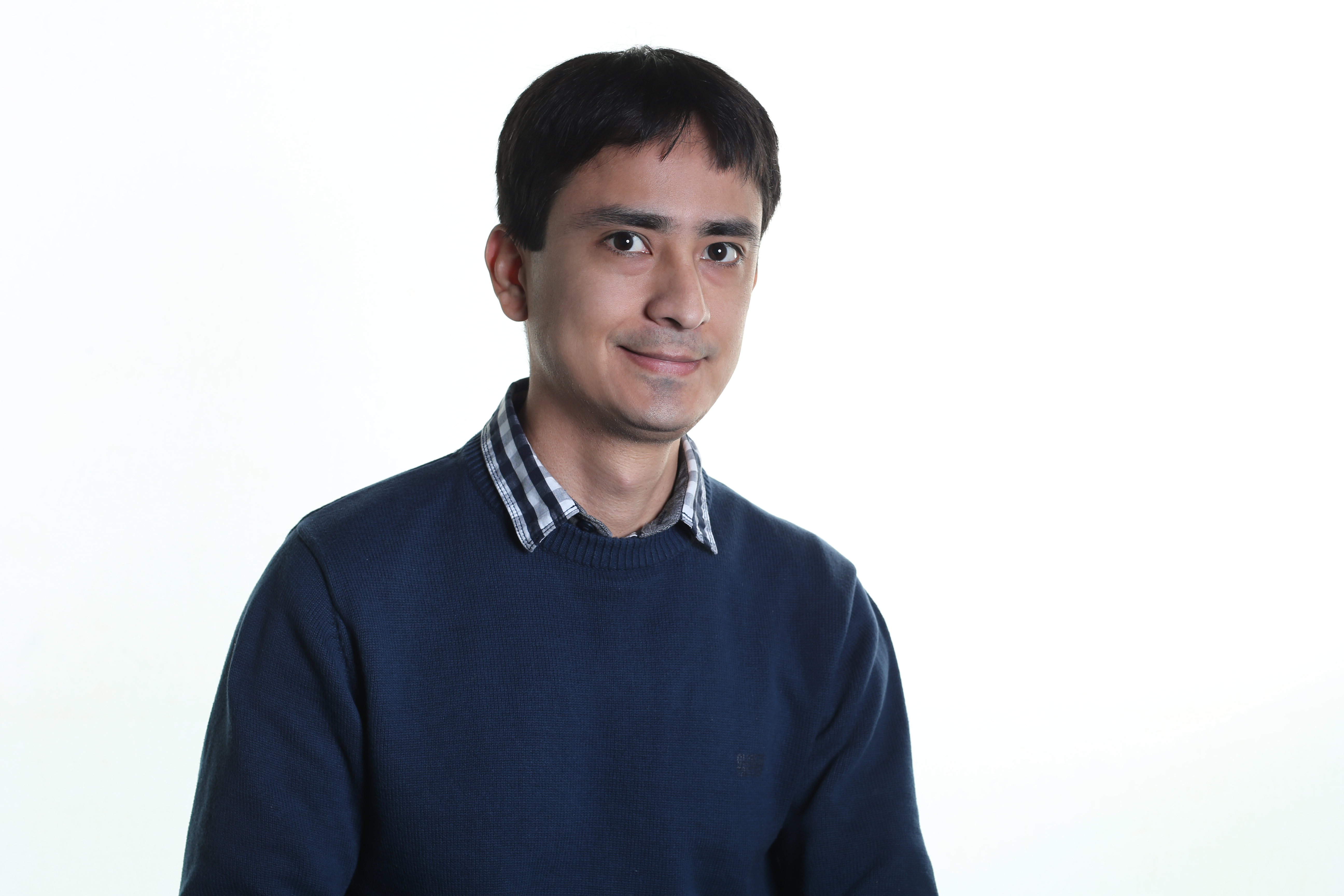
Danielle Sanches
Danielle Sanches is a professor at FGV ECMI and a PhD in History of Science at the École des Hautes Études en Sciences Sociales in cooperation with the Casa de Oswaldo Cruz/FioCruz. She currently works on Digital Methods, focusing on the influence of the algorithm culture on social practices.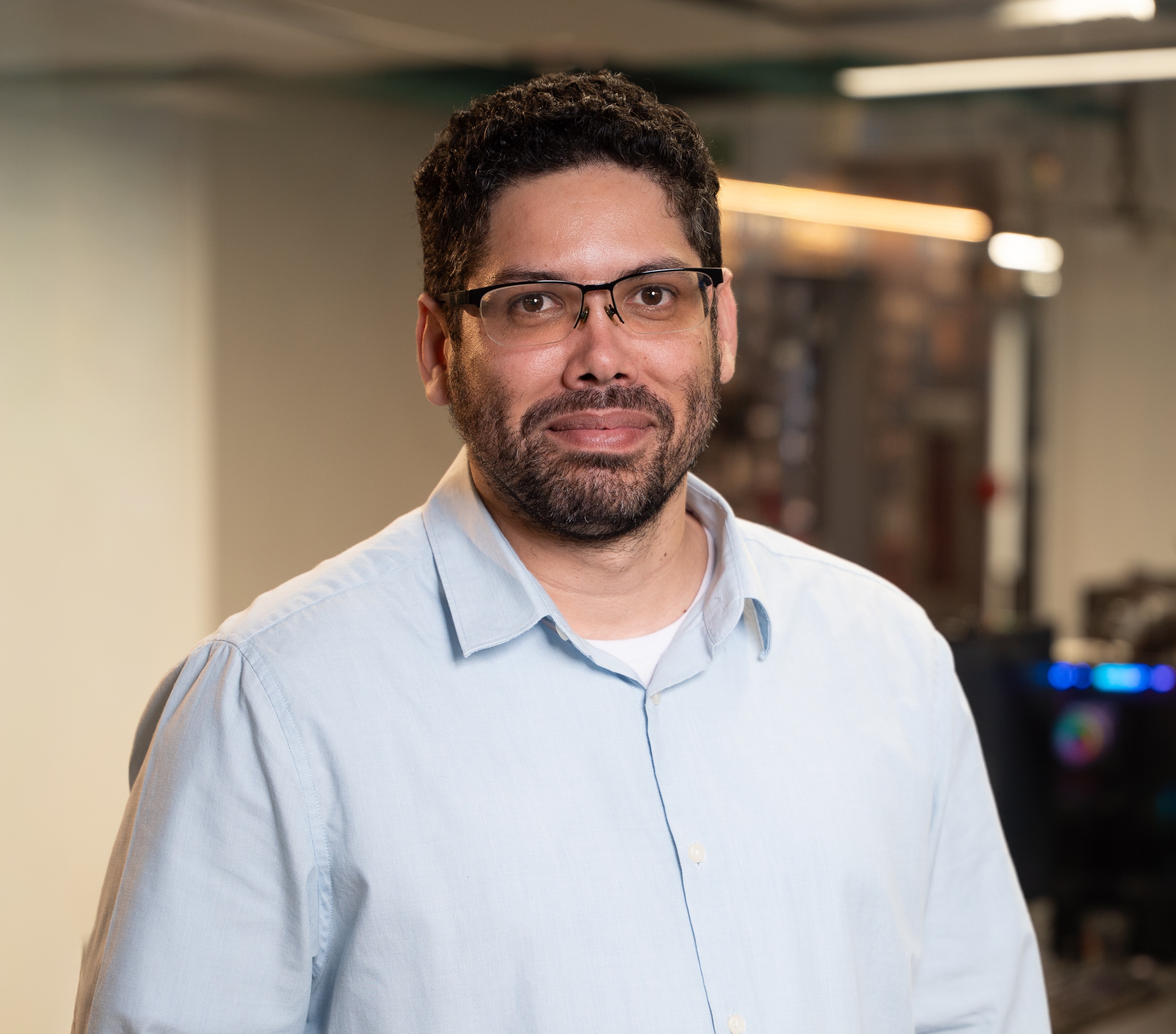
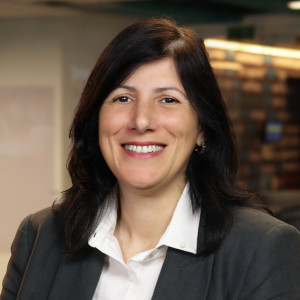
Denisson Silva
Denisson holds a PhD in Political Science (UFMG), a Master's degree in Sociology and is a Social Scientist (UFAL). He is a professor at FGV Comunicação. He has experience in Political Science, working mainly on the following themes: political parties, party migration, electoral results, and campaign financing. Researcher at the Center for Legislative Studies (CEL/UFMG), the Citizenship and Public Policy Group (UFAL).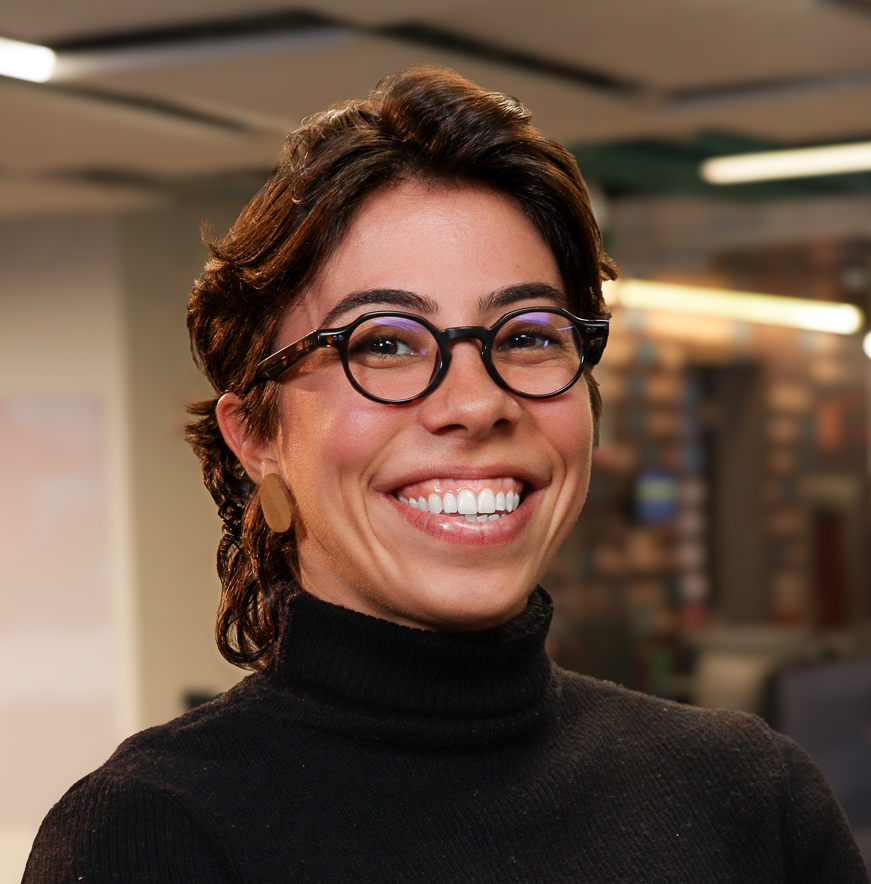
Polyana Barbosa
Polyana Barboza is a professor working with data extraction and analysis on social networks at FGV ECMI. She has a major in Applied Mathematics at the School of Applied Mathematics of Fundação Getulio Vargas (FGV EMAp) and is a Master in Computer Science at the Pontifical Catholic University of Rio de Janeiro (PUC-Rio). Her main lines of research are Social Network Analysis in Digital Media and Multi-agent Systems in Software Engineering.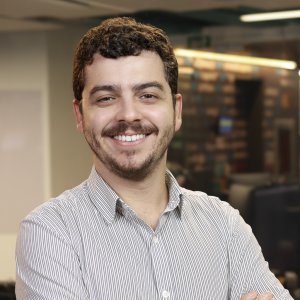
Victor Piaia
Victor Piaia holds a PhD in Sociology at the Institute of Social and Political Studies (IESP-UERJ). He is a professor at FGV Comunicação and a leader of the Study Group in Political Sociology and Digital Transformations. He studies the political effects of transformation in daily communication, focusing on social media platforms and messaging apps.Speakers
Anderson Henrique
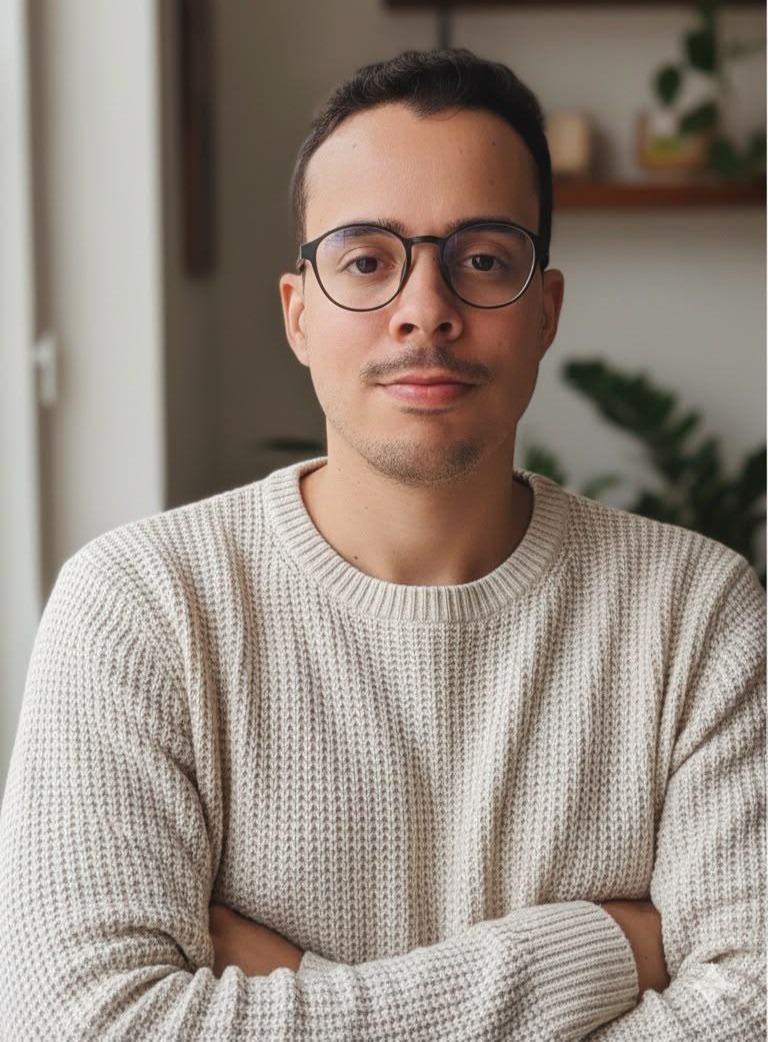
Anderson Henrique is a political scientist with a Ph.D. in Political Science from the Federal University of Pernambuco (UFPE, 2025). He is currently a postdoctoral researcher at the Center for Metropolitan Studies (CEM), a FAPESP Center for Research, Innovation and Dissemination (CEPID) at the University of São Paulo (USP), under the supervision of Professor Ursula Peres (EACH-USP). He is also affiliated with the National Institute of Science and Technology on Quality of Government and Policies for Sustainable Development (INCT-QualiGov) and serves as a visiting researcher at the Institute for Applied Economic Research (IPEA) in Brasília, contributing to the project Intergovernmental Transfers and Brazilian Federalism. His research examines how the Brazilian state responds to unexpected events, focusing on who receives federal emergency transfers, when they are allocated, and why. He uses this question as a lens to investigate federalism, state capacity, and the politics of intergovernmental transfers across Brazilian municipalities, combining quantitative research designs with qualitative evidence. He also conducts research on public policy, particularly policy implementation and evaluation, as well as on research transparency, replicability, and methodological issues in Political Science.
Beatriz Ferrareto
Beatriz Ferrareto is Partner and Executive Director of Business Development at WideLabs, a Brazilian sovereign artificial intelligence company that develops complex AI systems for critical public-sector functions and regulated industries. At WideLabs, she leads the company’s partnerships strategy, business development initiatives in Brazil, and expansion across Latin America. Before joining WideLabs, Ferrareto worked as a Digital Strategist at Bit2Me and was part of the Consumer Insights and Data Science teams at BTG Pactual, where she developed data-driven strategies for internal consulting projects. She holds a bachelor's degree in Public Administration and International Relations from FGV, with academic studies in Political Science at the University of Cologne, Germany. She also earned a CEMS Master’s in International Management through a triple-degree program at FGV (São Paulo), the Stockholm School of Economics (Stockholm), and University College Dublin (Dublin).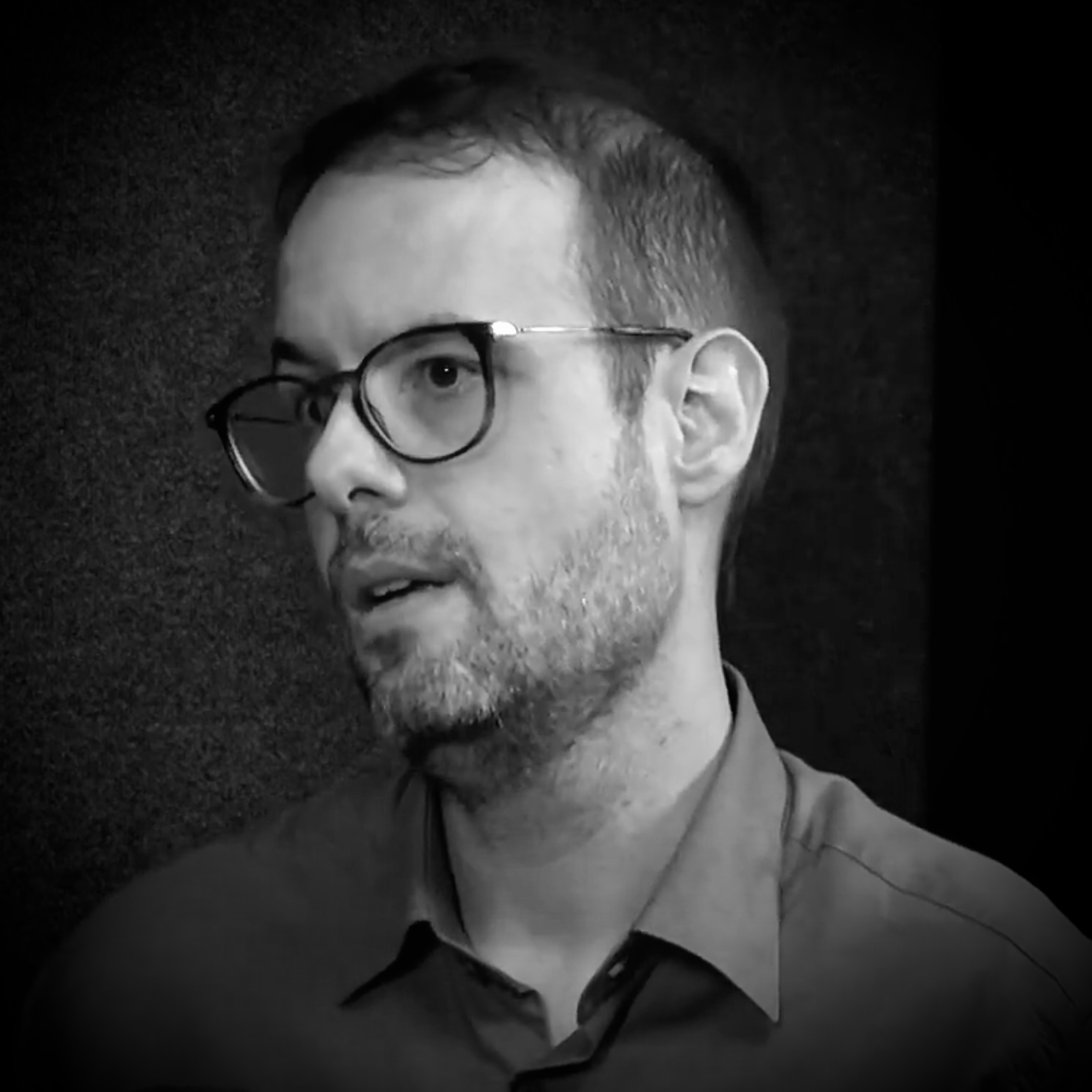
Elias Bitencourt
Elias Bitencourt is an Associate Professor in the Department of Design at Universidade do Estado da Bahia (UNEB). He holds a Ph.D. in Communication from FACOM/UFBA and a Master's in Culture and Society from IHAC/UFBA. He was a visiting researcher at the Milieux Center (Concordia University, Canada, 2019) and currently leads the Datalab/Design at UNEB: a center for research and development in data visualization and digital methodologies. His research focuses on data visualization, algorithmic mediation in daily social life, platform studies, digital practices, and imagination. He also collaborates with the Inova Media Lab (Universidade Nova de Lisboa) and the international Public Data Lab research network.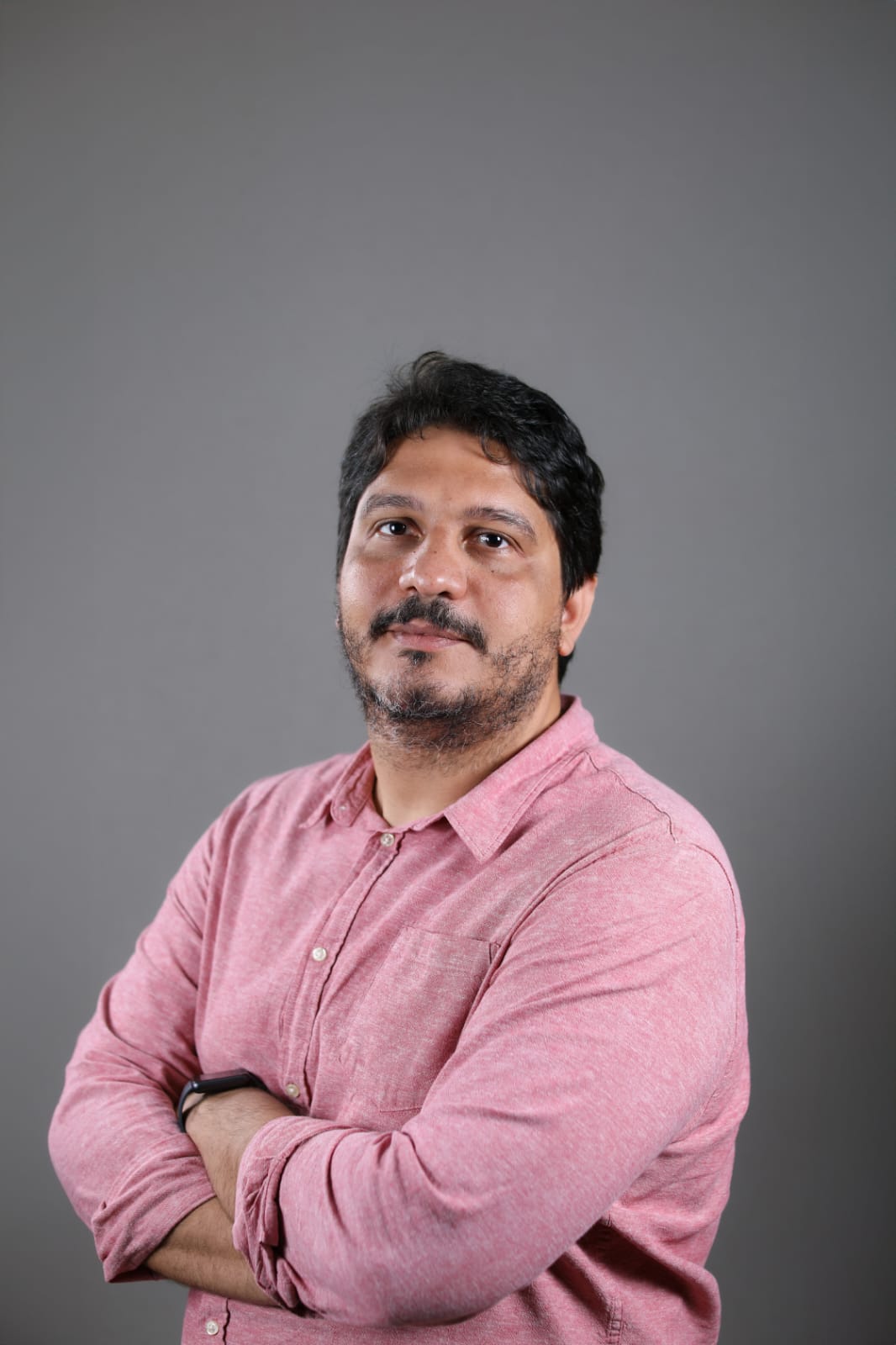
Hugo Medeiros
Hugo Medeiros holds a PhD in Education (UFPE), with postdoctoral research in Political Science (UFPE). He also holds a Licentiate Degree in History (UFPE), a Bachelor's Degree in Information Systems (UNESA), and an MBA in Data Science (DSA). He is a Government Planning Manager at the State Secretariat of Planning (SEPLAG-PE), where he currently serves as Director of Special Projects. He is also a Researcher at the Center of Excellence in Social Technologies (NEES) at the Federal University of Alagoas (UFAL).
Jess Reia
Jess Reia is an Assistant Professor of Data Science & Public Policy and a 2025-2027 Andrew Carnegie Fellow at the University of Virginia, where they co-lead the Digital Technology for Democracy Lab. They are also a Visiting Scholar at Fudan University and a Research Associate at the Data & Society Research Institute. Their main research interests are technology policy, data justice, and human rights. A policymaker by training, they have collaborated with governments for over a decade and conducted research that has been published in four languages. Before joining UVA, they worked at McGill University in Montreal and the Center for Technology & Society at FGV Law School in Rio de Janeiro.
Leonardo Nascimento
Leonardo F. Nascimento is a professor at the Federal University of Bahia. As the Digital Humanities Laboratory (LABHDUFBA) coordinator, he has contributed to research in digital sociology, digital humanities, and computational social science. He is the author of the book “Sociologia Digital: uma breve introdução - EDUFBA – 2020”. In his current research, he is collaborating with InternetLab, UFSC, and AI for Society on a project investigating the intersection of instant messengers and political violence and utilizing a combination of natural language processing (NLP) techniques and mixed qualitative approaches, including discourse analysis and online ethnography.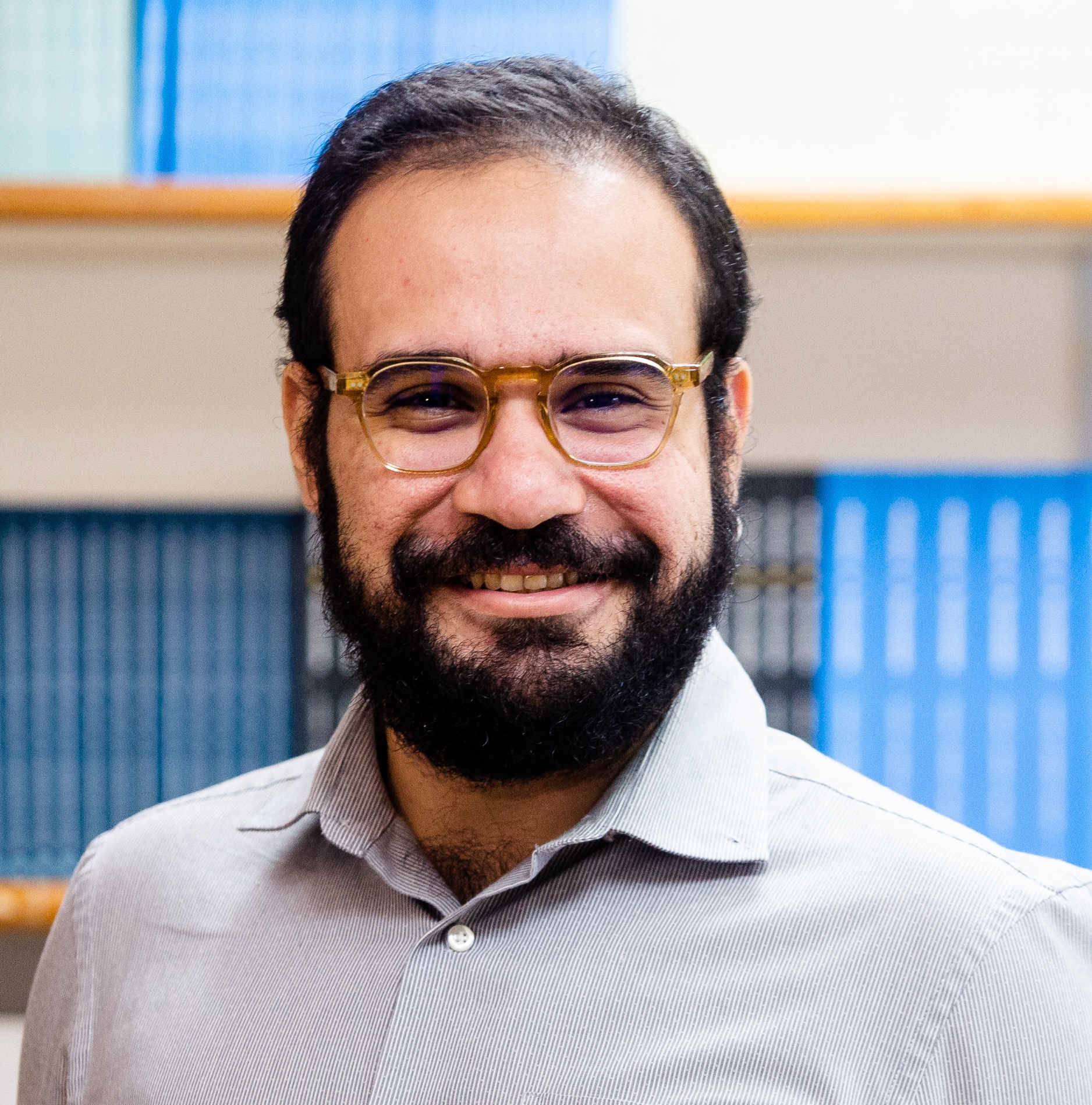
Matheus Pestana
Matheus Pestana is a professor at the School of Communication, Media, and Information at Fundação Getulio Vargas (FGV ECMI), a researcher at the Institute for Religious Studies (ISER), and a member of the New Illegalisms research group (GENI/UFF). He is a PhD Candidate in Political Science at the State University of Rio de Janeiro (UERJ), where he also earned his Master's degree in the same field. His current research focuses on the intersection of artificial intelligence (AI) and politics/public opinion. He has interests in computer vision, large language models (LLMs), speech recognition, and image detection/segmentation.Teaching Assistants
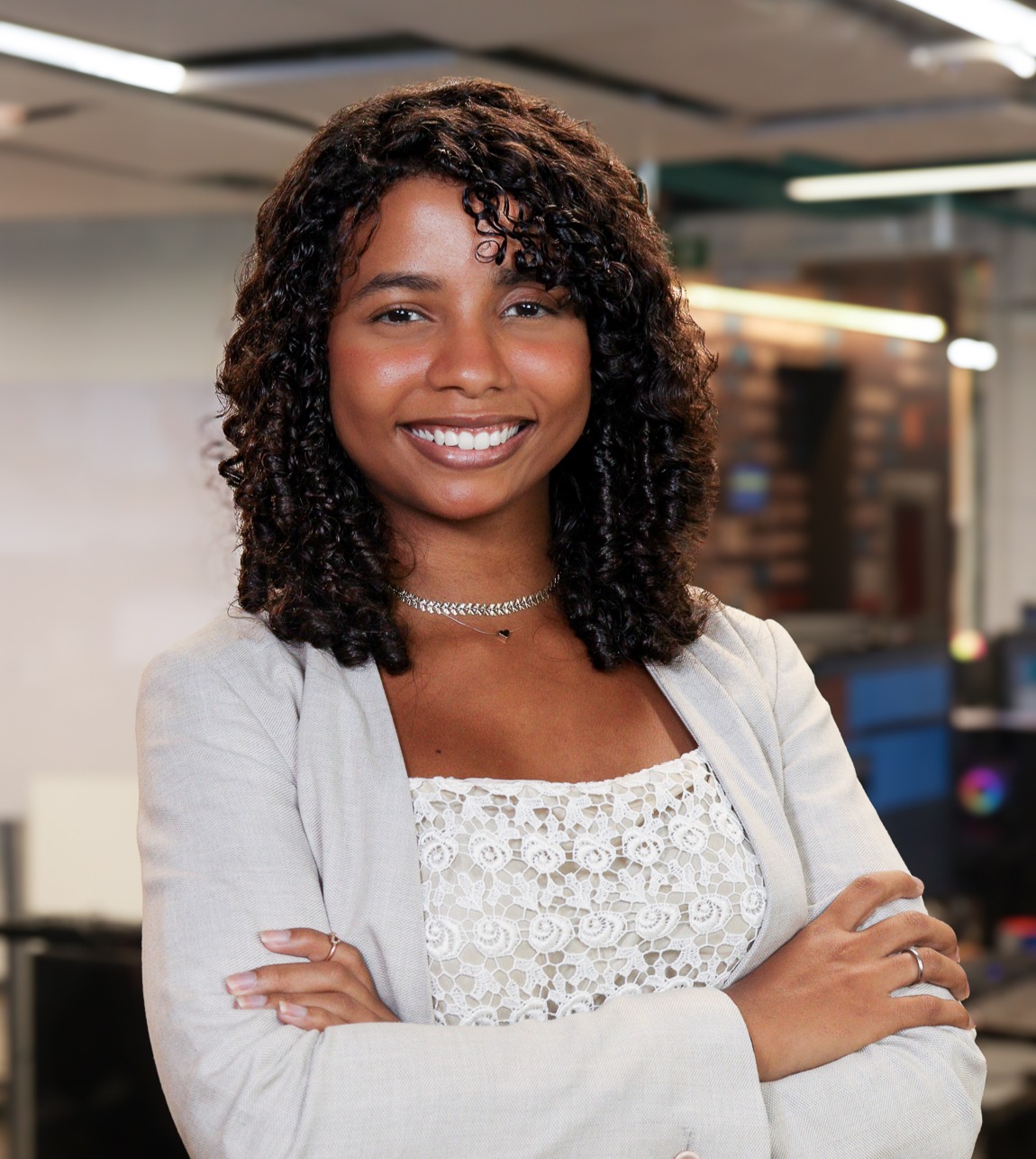
Thaís Rabello
Thaís Rabello is a data scientist specializing in social media data extraction and analysis at FGV Comunicação. She is currently pursuing a degree in Statistics at Fluminense Federal University (UFF). Her main research interests include Social Network Analysis in Digital Media and statistical modeling.Participants
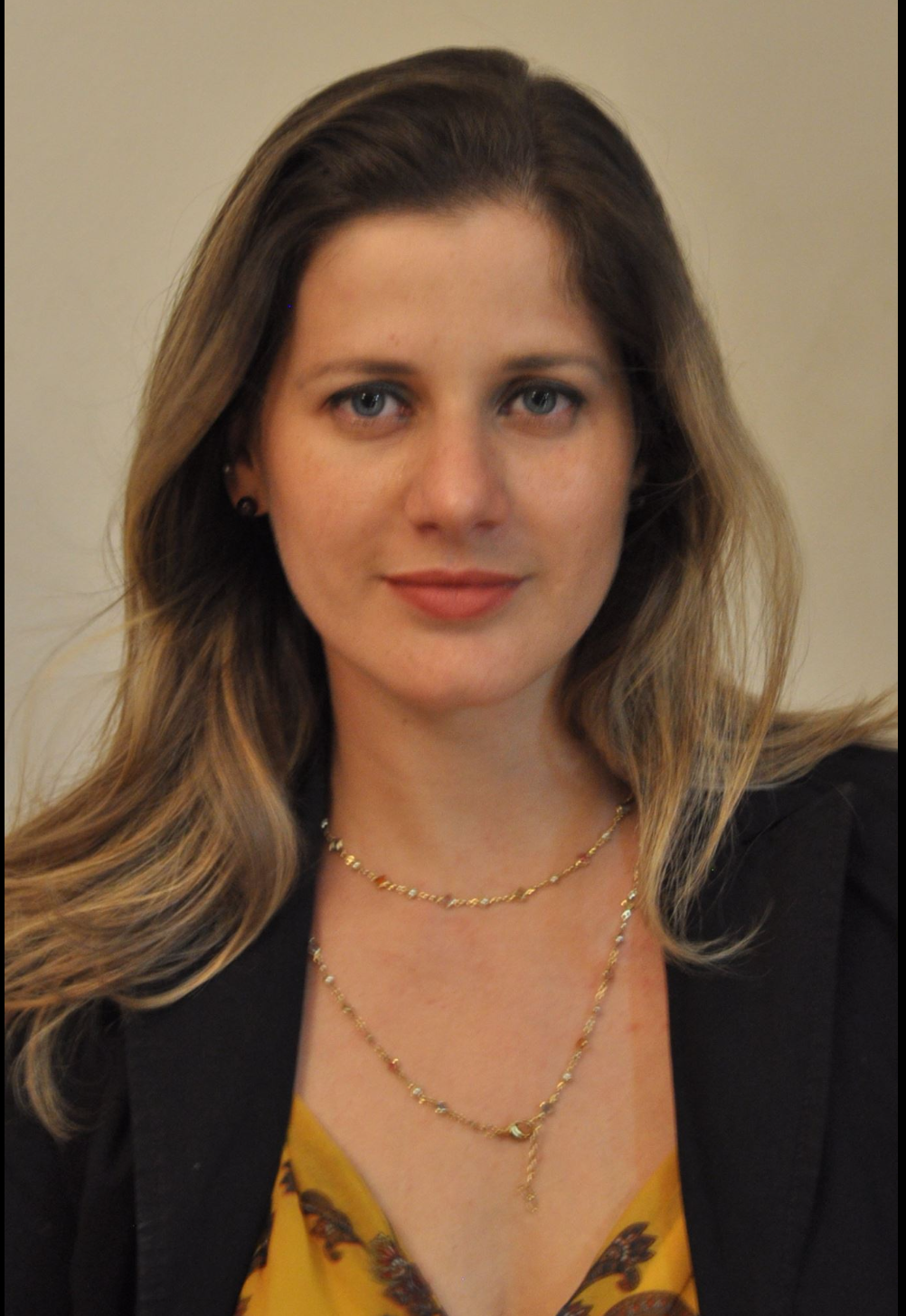
Aline Veroneze
Aline Veroneze is a Ph.D. researcher in Communication Sciences at the Institute of Social Sciences of the University of Minho, Portugal. Her action research, funded by the Portuguese Foundation for Science and Technology (FCT), examines digital social mobilization and organizational communication in the context of educational advocacy. She holds a master's degree from the State University of Rio de Janeiro (UERJ) and a bachelor's degree from the Federal University of Juiz de Fora (UFJF). Her research interests include cyberculture, media agenda-setting, and advocacy communication. Before pursuing her doctoral studies, she worked in science journalism and audiovisual production, experiences that inform her interdisciplinary approach to information flows across digital platforms.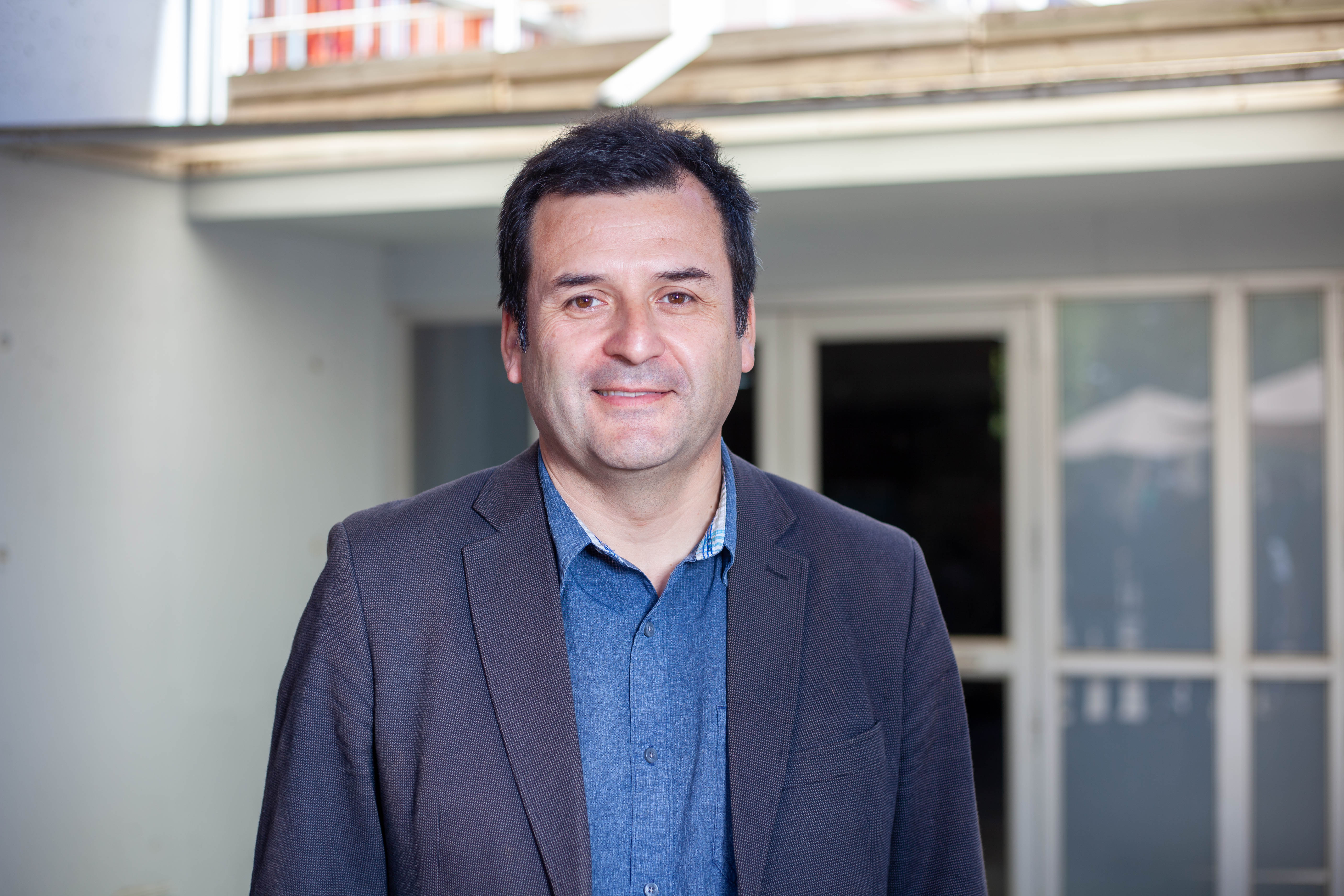
Camilo Peña-Ramírez
Camilo Peña-Ramírez is an Associate Professor and Director of the Department of Industrial Engineering and Organizational Management at Universidad de Playa Ancha, Chile. He has professional experience in the mining, consulting, logistics, and higher education sectors. His research focuses on business, knowledge, and collaboration networks, as well as innovation, entrepreneurship, digital platforms, and strategy. He applies quantitative and mixed methods, including business intelligence, social network analysis, and multivariate techniques. He holds doctoral degrees in Management from the University of Santiago de Chile and the University of São Paulo. He collaborates with academic and professional networks across Latin America and Europe.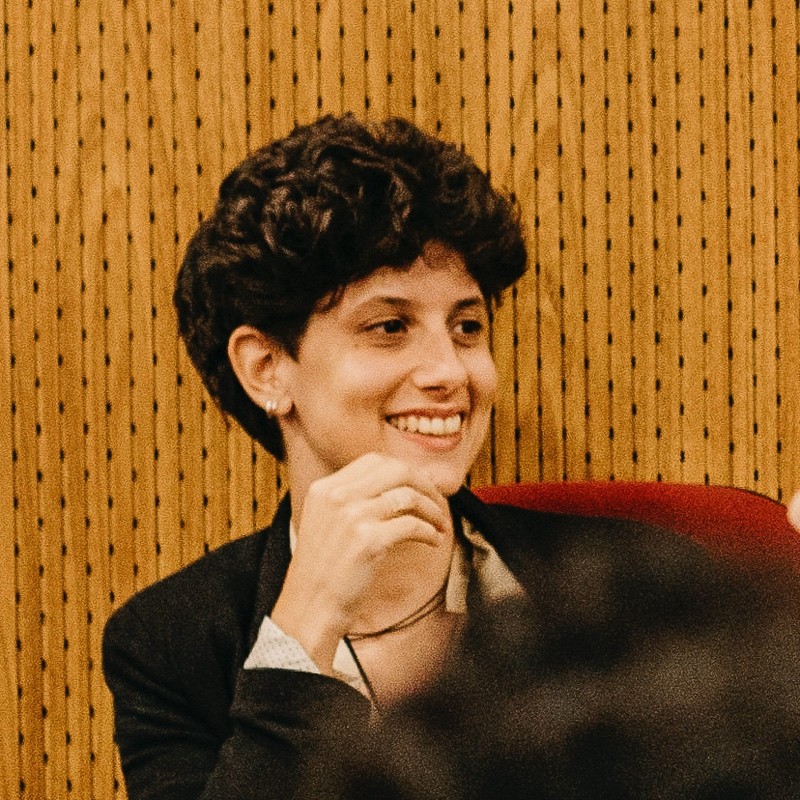
Clara Thomé C. F. Ramos
Clara Thomé C. F. Ramos is a master's student in the Graduate Program in Communication at the Fluminense Federal University (PPGCOM/UFF). She is a member of coLAB/UFF and a political analyst at DAPP.Lab – ECMI/FGV. She holds a postgraduate degree in Government Communication and Political Marketing from IDP, as well as both a bachelor's degree (2020) and a teaching degree (2023) in Social Sciences from the Federal University of Rio de Janeiro (UFRJ). Her research interests include political communication and the anthropology of emotions.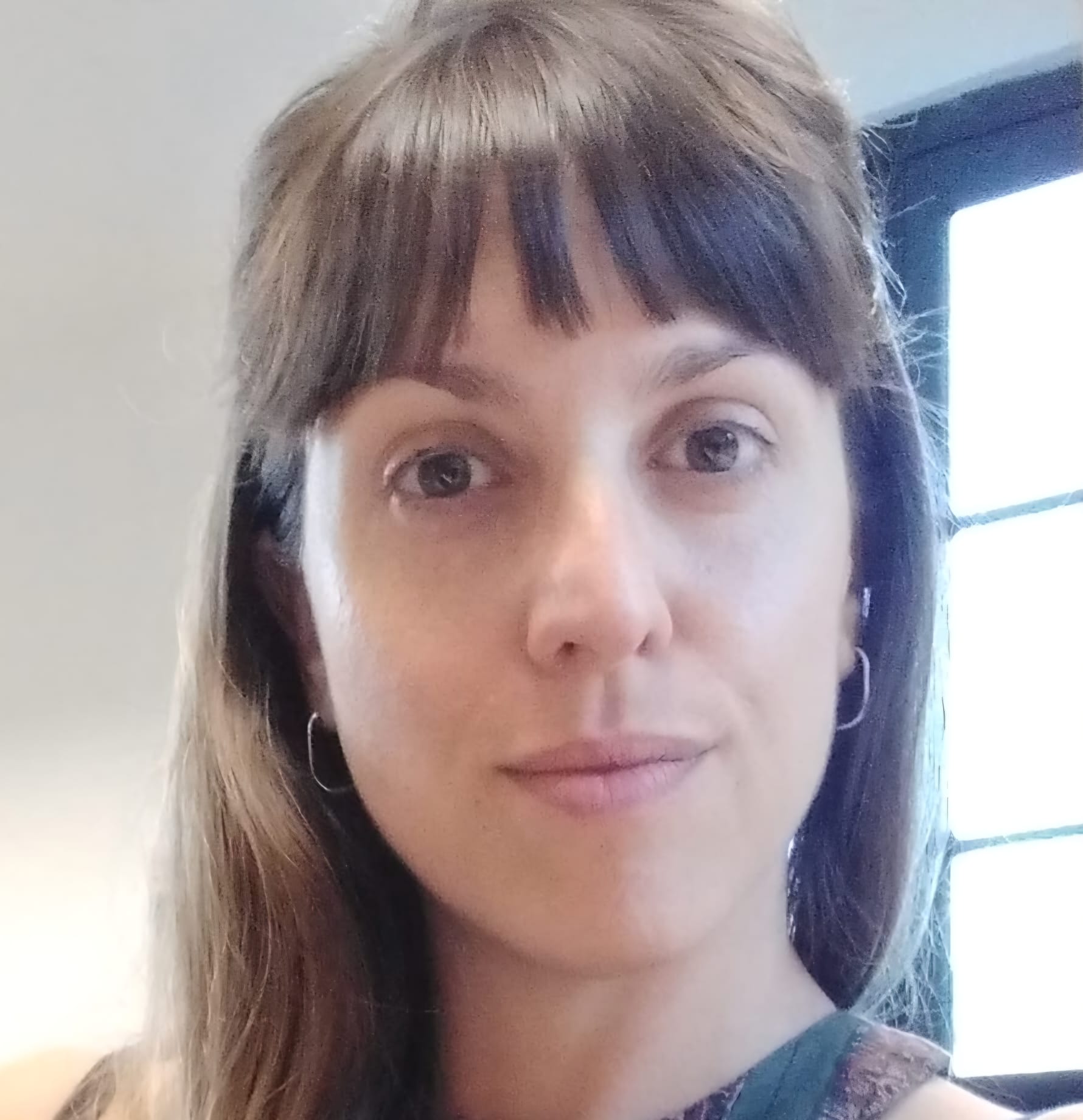
Daniela Guedes Locatelli
Daniela Guedes Locatelli is a Ph.D. candidate in Public Policy, Strategies, and Development at the Federal University of Rio de Janeiro (IE-PPED-UFRJ). She holds a bachelor's degree in Educational Sciences from the Universidad de la República (Udelar, 2021) and a master's degree in Education, Innovation, and Technologies from the Latin American Faculty of Social Sciences (FLACSO Uruguay, 2024). She is currently an Assistant Professor at the Universidad de la República, Uruguay, where she also contributes to the Academic Unit of the Sectoral Commission for Scientific Research (CSIC). Her research interests include science, technology, innovation, and society (STIS), as well as the academic management of scientific research funding programs.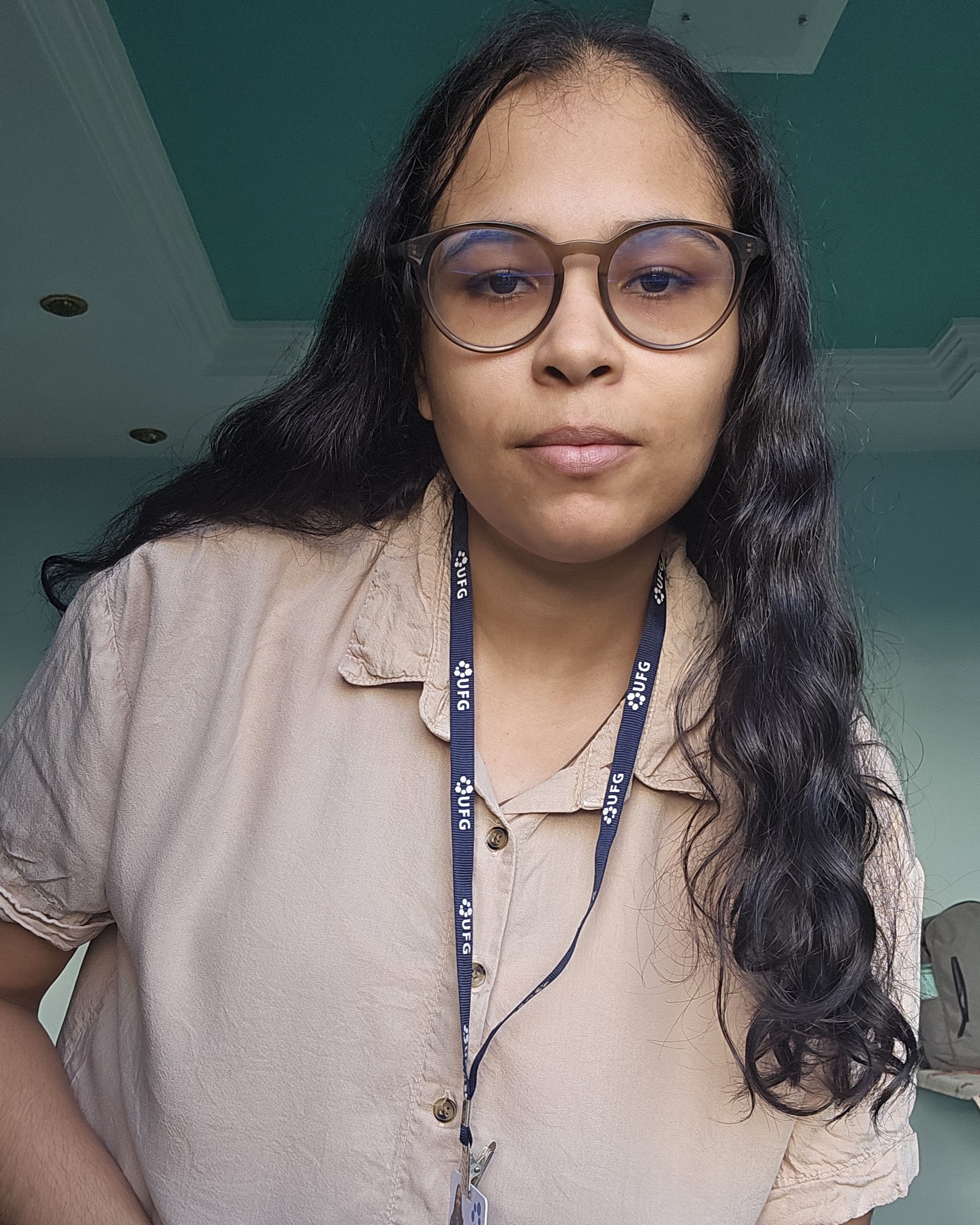
Denise Clara Santos Santana
Denise Clara Santos Santana is a political science researcher specializing in quantitative research methods. She uses R and Python to investigate electoral dynamics, political communication, and political behavior in the digital era, with a particular interest in political psychology and the analysis of social media data. Her research agenda combines quantitative methodologies with the study of public opinion, digital engagement, and the impact of online discourse on political and institutional processes.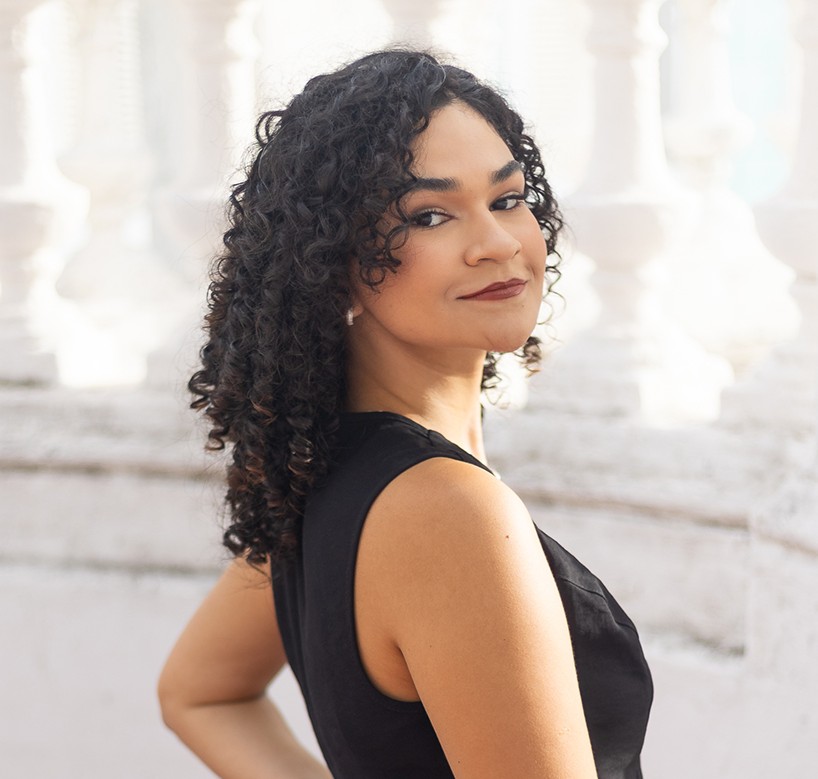
Maria Gisele Macedo
Maria Gisele Macedo holds a Bachelor's degree in International Relations (UEPB) and a Specialization in Data Science (CIn/UFPE). She is currently a Master's student in the Graduate Program in Political Science at the Federal University of Pernambuco (PPGCP/UFPE). Her current research investigates the extent to which G20 members differ in their degree of digital sovereignty and which dimensions explain this variation, starting from the measurement of digital sovereignty and the development of a composite index. Her main research interests include cybersecurity, digital sovereignty, and artificial intelligence, combining computational methods to analyze the intersection of technology and international relations, with particular attention to the challenges faced by Global South countries.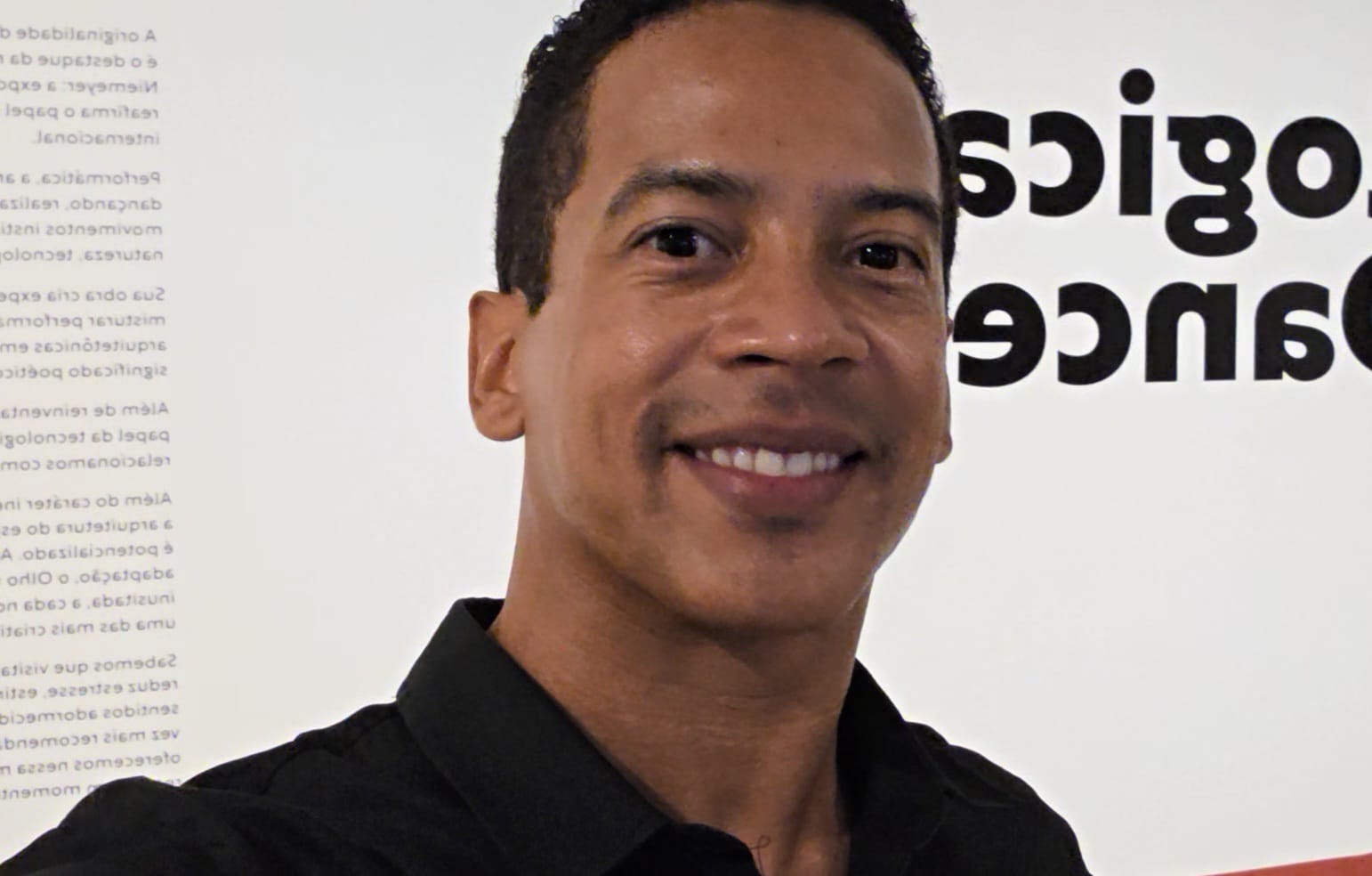
Jonatã França Bittencourt
Jonatã França Bittencourt is a Professor at the Federal Institute of Bahia (IFBA) and a Ph.D. candidate in Social Sciences at the Federal University of Bahia (UFBA). He holds a Master’s degree in Sociology from UNIVASF and a Bachelor's degree in Social Sciences from UFBA. His research lies at the intersection of Digital and Computational Sociology, focusing on public sector innovation governance and the development of AI-driven tools for document analysis and data intelligence, grounding institutional dynamics in critical and decolonial perspectives.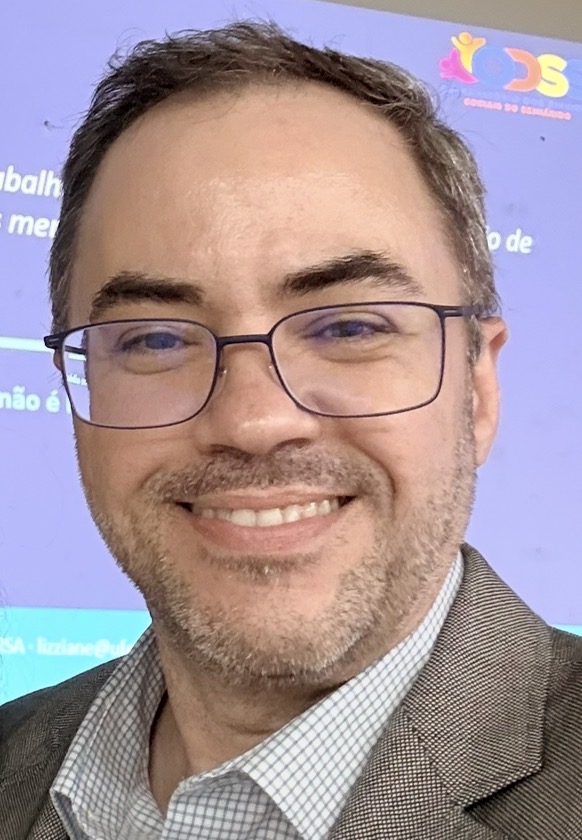
Rafael Lamera Giesta Cabral
Rafael Lamera Giesta Cabral is an Associate Professor of Legal History at the Federal Rural University of the Semi-Arid Region (UFERSA), where he is a permanent faculty member of the Graduate Program in Law (PPGD/UFERSA). He serves as Editor-in-Chief of the UFERSA Law Journal and coordinates the Observatory of Social Rights in the Semi-Arid Region (ODSS/UFERSA). His work focuses on legal history, constitutional studies, and social rights.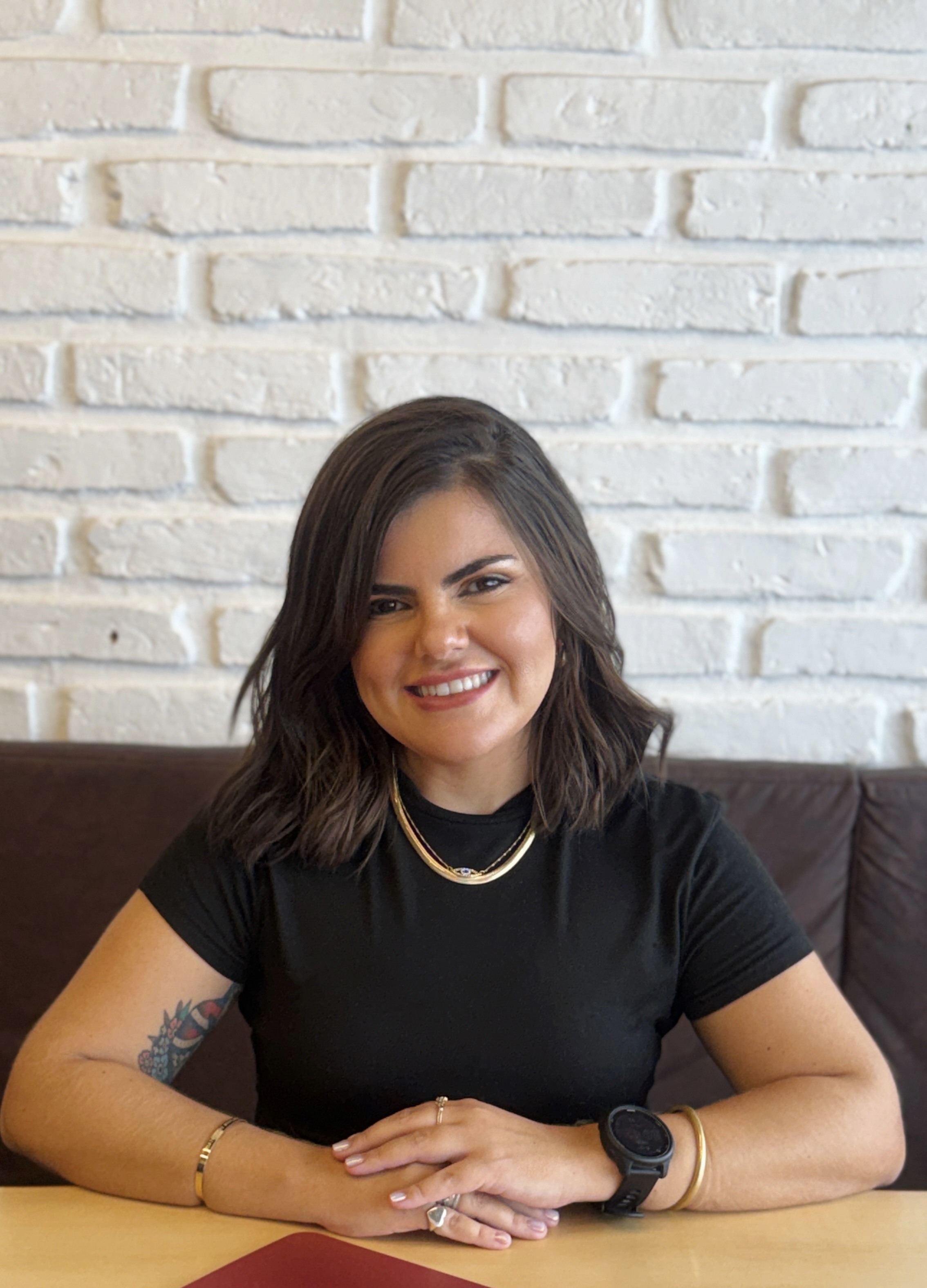
Raíssa Barbosa
Raíssa Barbosa is a Master's student in Communication at the Graduate Program in Communication at the Federal University of Alagoas (PPGCOM/UFAL), Brazil, and holds a degree in Journalism. Her research explores the relationships between technologies, digital platforms, and contemporary culture, with a focus on self-care practices, processes of subject formation, and sociotechnical mediations. Drawing on Actor-Network Theory (ANT) and Controversy Mapping, her work engages with digital methods, platformization, datafication, algorithms, and critical studies of artificial intelligence and digital ecosystems. In addition to her academic work, she has professional experience in strategic communication, digital content production, and institutional communication for public and private organizations.