People
Faculty
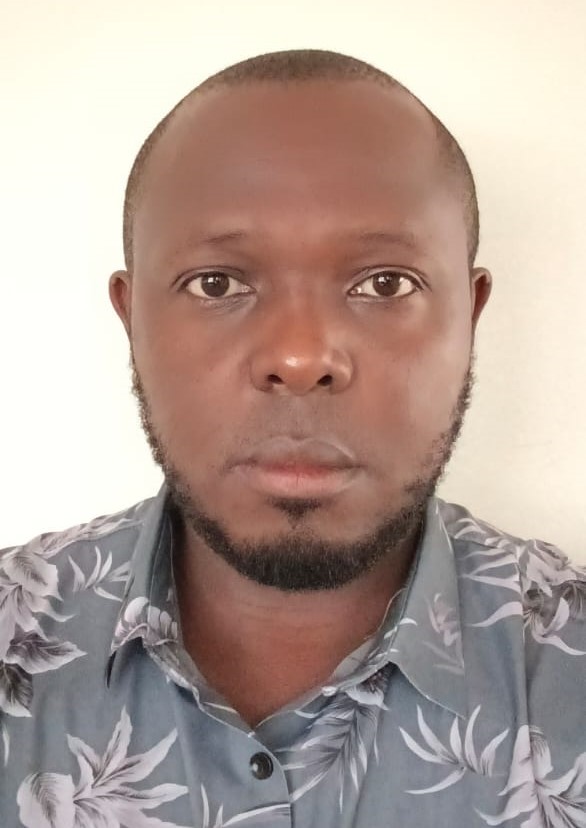
Dr. Amos Kipkorir Langat, Ph.D.
Dr. Amos Kipkorir Langat is a Senior Research Fellow with a Ph.D. in Mathematics (Statistics) from the Pan African University Institute for Basic Sciences, Technology and Innovation (PAUSTI) and Jomo Kenyatta University of Agriculture and Technology (JKUAT). He currently serves as a Postdoctoral Research Fellow in Integrated Data Science and Health Informatics at the Centre of Excellence in Women and Child Health (CoEWCH-EA), Aga Khan University,Nairobi and as a Research Fellow under the Migration and Displacement Action Plan for Sub-Saharan Africa (MAPS), a collaborative initiative involving Sapienza University of Rome and Amref International University. He is also an Adjunct Research Scientist at the African Institute for Capacity Development (AICAD).Dr. Langat is actively engaged in teaching and academic mentorship across multiple institutions. He lectures in Statistics, Data Science, and Applied Mathematics at Jomo Kenyatta University of Agriculture and Technology (JKUAT), the Technical University of Kenya, and the Open University of Kenya. In addition, he contributes to postgraduate training and supervision at the African Institute for Mathematical Sciences (AIMS), including AMIS Cameroon, AIMS Rwanda and AIMS Senegal, where he supports MSc-level training in mathematical sciences, epidemiology, and data science. He has previously taught at Kabarak University and Maasai Mara University, where he contributed to curriculum development and postgraduate supervision.He is also a member of the KIPPRA Public Policy Professionals (PPP) Cohort 2026, reflecting his strong engagement in public policy analysis and evidence-based decision-making. Concurrently, he serves as a Senior Economist with the County Government of Bomet, where he leads data-driven policy planning and statistical analysis within the Economic Planning Division.Dr. Langat is widely recognized for his leadership in advancing computational social science and statistical capacity development in Africa. He is the Main Organizer of SICSS-Kenya 2025 and Co-Organizer of SICSS-Nairobi/Mathematica 2024, initiatives that promote advanced computational and data science skills among African researchers. As an alumnus of SICSS-Accra 2023, his expertise spans Bayesian statistics, machine learning, deep learning, agent-based modeling, natural language processing, and spatial epidemiology.His research portfolio includes over 70 peer-reviewed publications focusing on hierarchical Bayesian modeling, infectious disease modeling, climate-health interactions, financial analytics, survival analysis, and AI-driven forecasting systems. He has supervised MSc and Ph.D. students across Kenyan universities and AIMS centers, including Cameroon, Rwanda, and Senegal, and serves as a reviewer for several international journals.Dr. Langat has received multiple prestigious scholarships and research grants and is actively involved in large-scale interdisciplinary projects addressing climate change, migration, and public health in Africa. He is a member of leading statistical and data science societies and is fluent in English and French. Through his teaching, research, and policy engagement, he remains committed to advancing statistical innovation, data-driven decision-making, and research capacity across Africa.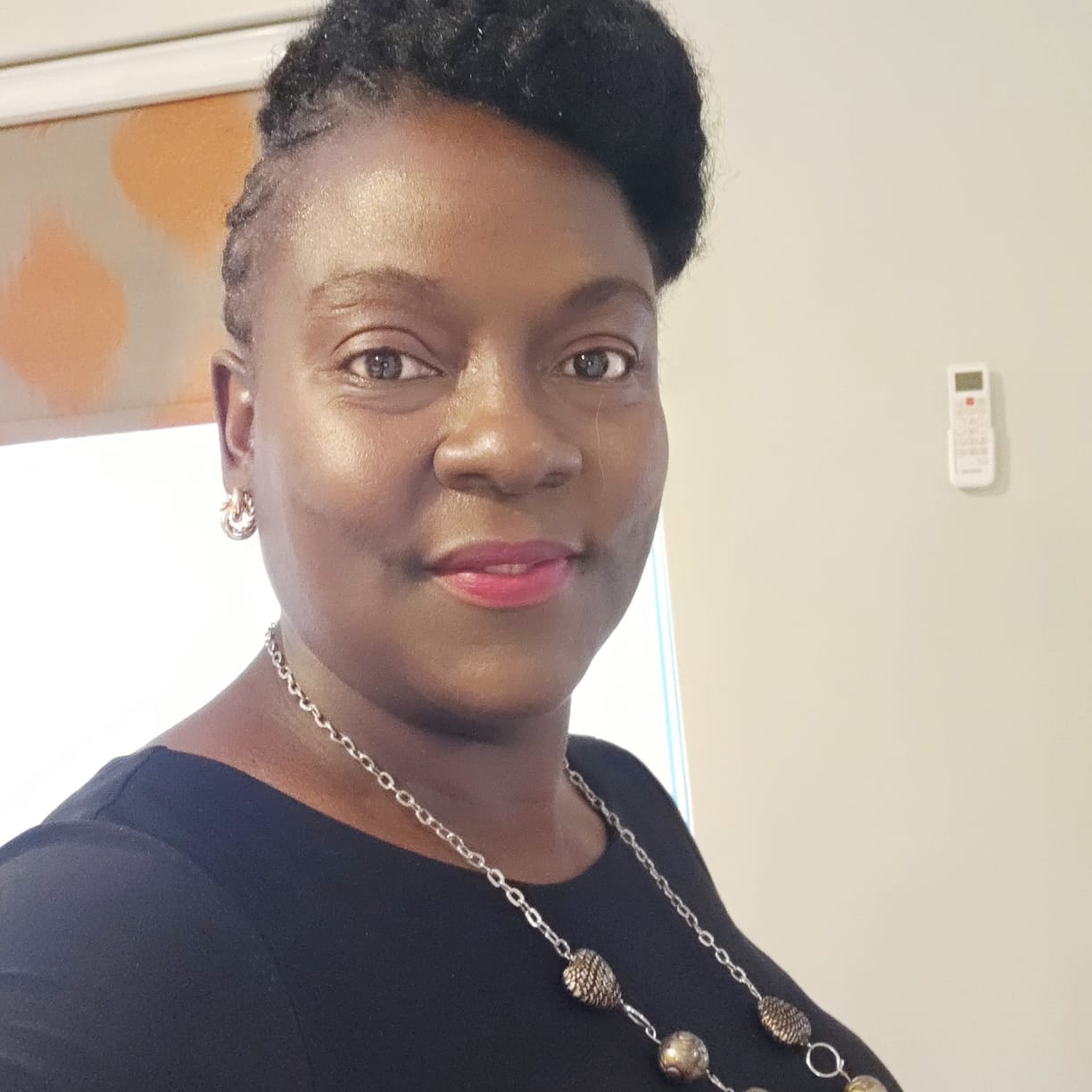
Dr. Mary Muyonga, Ph.D.
Dr. Mary Muyonga is a Population Scientist affiliated with the Population Studies and Research Institute, at the University of Nairobi, Kenya. Her research interests include migration, mobility, urbanization and policy linkages in which she has authored several articles and co-authored book chapters. She is a member of the International Union of Population Scientists (IUSSP) and the Union of African Population Scientists (UAPS). Mary is a seasoned researcher and technical specialist with experience in migration research, gender, governance and social policy programming across East, West and Southern Africa. She has proven experience in providing technical guidance for multi-country projects, supporting program quality, monitoring and evaluation, and strengthening evidence-based programming for population, health, democratic governance and refugee, host and displaced populations. She has extensive work experience working with UN Agencies, World Bank and academic research institutions. She has secured and managed programs funded by Canada, Denmark and Sweden. Mary is a firm believer in the SICSS vision of empowering social scientists with the computational tools and skills they need to conduct cutting-edge research at the intersection of social science and data science. Mary participated in the 2022 SICCS Program in Nigeria (https://sicss.io/2022/covenant-university/) and has since then curated the expansion of the digital footprint of the SICSS program in East Africa. She was a co-organizer of the inaugural SICSS program in Kenya in 2024, the SICCS Nairobi Mathematica (Summer Institute in Computational Social Science) hosted at the University of Nairobi Kenya with sponsorship from Howard Mathematica and the University of California Berkeley. In the subsequent years, Mary has successfully co-organized, co-curated and expanded the SICSS Kenya program, attracting not only funding but expanding partnerships (https://sicss.io/2025/kenya /).Speakers
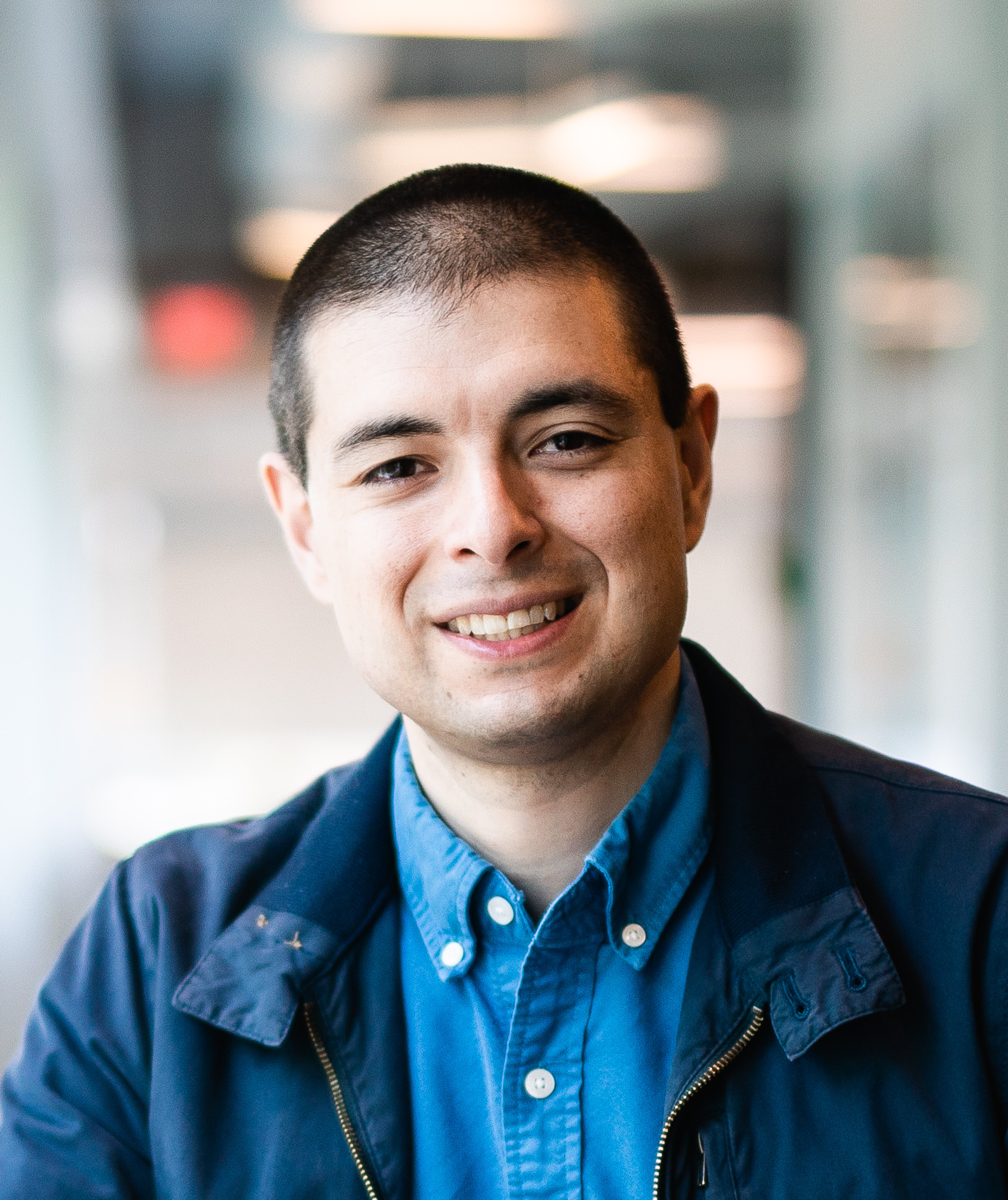
Prof Nathan Mathias.
Dr. J. Nathan Matias is an Assistant Professor in the Department of Communication and a Field Member in Information Science at Cornell University. He is the founder and director of the Citizens and Technology (CAT) Lab, where he leads interdisciplinary research on technology, artificial intelligence, and society, with a focus on promoting safer, fairer, and more inclusive online communities. His work combines computer science, social science, and public-interest research to address challenges such as online harassment, misinformation, political polarization, and algorithmic accountability. Nathan is also a co-founder of the Coalition for Independent Technology Research, advancing independent research on the societal impacts of digital technologies. He earned his PhD from the MIT Media Lab and MIT Center for Civic Media and has held research appointments at Stanford University, Columbia University, Princeton University, and Harvard University. His research and public engagement have earned numerous international awards, including the Mozilla Rise25 Award, and his work has been featured in leading academic journals and global media outlets.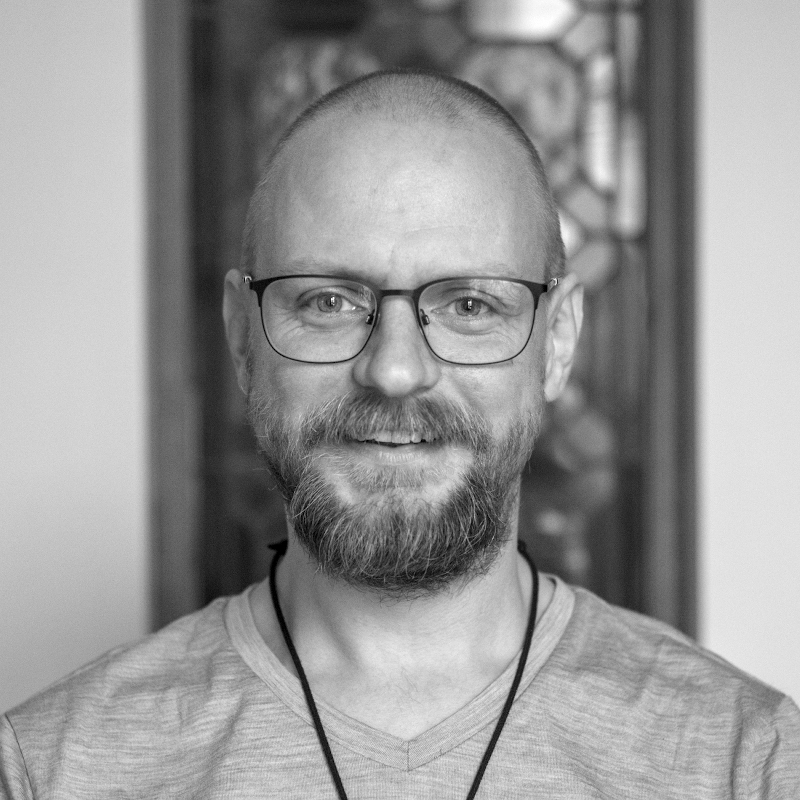
Prof. Bastian Greshake Tzovaras.
Bastian Greshake Tzovaras is a researcher who works on the theory and practice of co-creating knowledge through citizen science and peer production. Overall, his research centers around how open source/science technologies can be used to empower individuals and communities to engage in their own knowledge production. He does so by bringing together applied and theoretical methods from computer/data science,human-computer-interaction and critical science & technology studies. He currently works with the Citizen and Technology Lab and before held posts at The Alan Turing Institute in London and the French National Institute of Health and Medical Research. Before turning towards collaborative knowledge creation, he started his research career as abiologist, getting a PhD in bioinformatics from the Goethe University in Frankfurt, Germany, applying statistical methods to large-scale genetic data.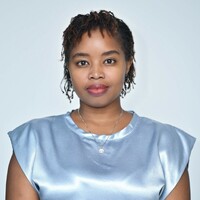
Winnie Kabintie.
Winnie Kabintie is a Strategic Communications Specialist and open knowledge advocate working at the intersection of digital rights, information access, media, and emerging technologies in Africa. With over a decade of experience in media and information literacy, communications, and community building, she has become a leading voice on digital inclusion, knowledge equity, information integrity, and the role of open digital ecosystems in shaping African narratives.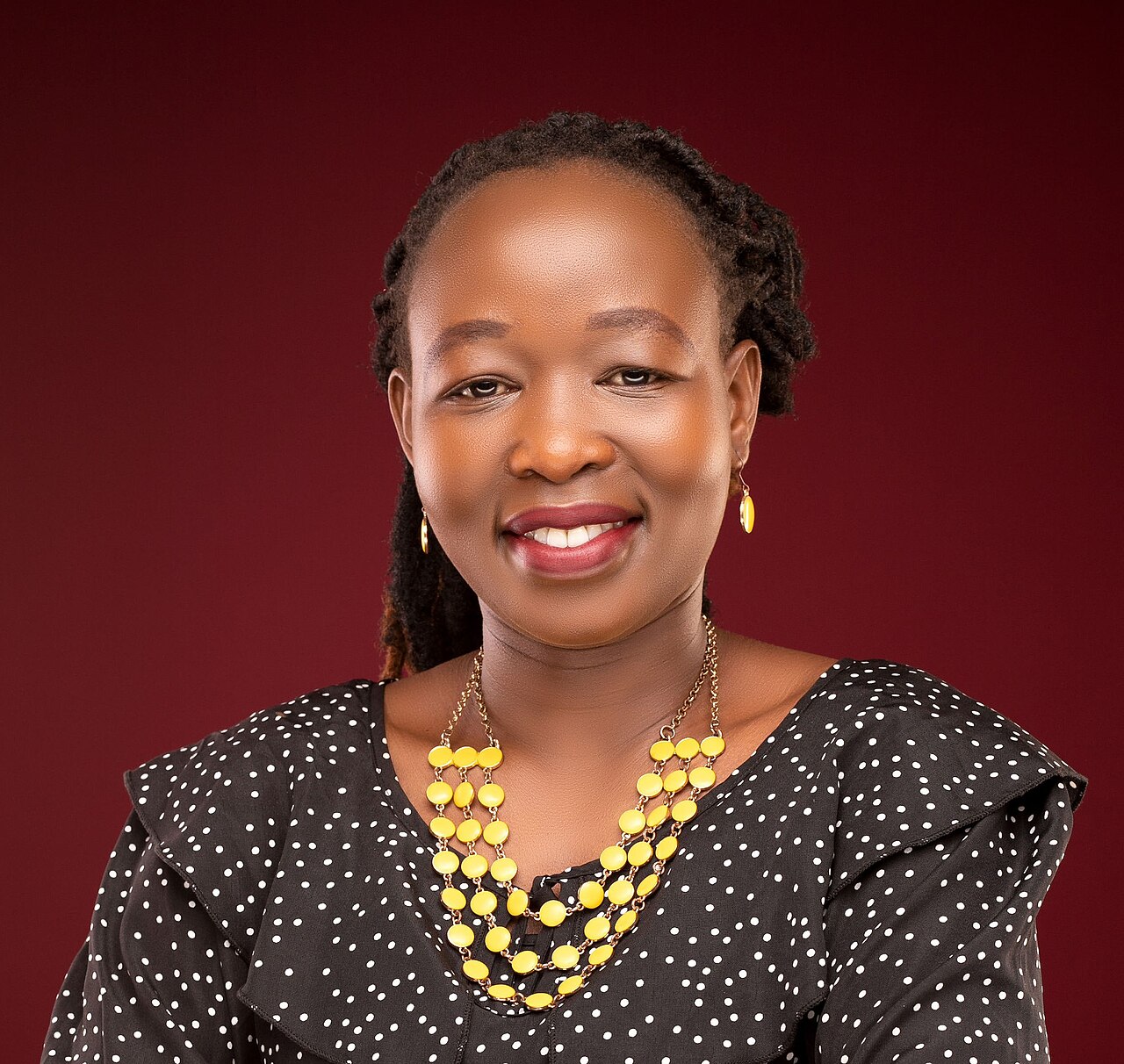
Terry Boke.
Terry Boke is a Media and Communications Specialist based in Kenya, with over a decade of experience in impactful storytelling to amplify brand narratives and champion social causes. Her expertise spans human rights advocacy, gender equality, education, and digital literacy. Beyond digital activism, Teresia is committed to hands-on community engagements, working directly with marginalized groups in Kenya to drive sustainable empowerment. Since joining the Wikimedia movement in 2020, Terry actively contributes to Wikipedia, Wikimedia Commons, Wikidata, and WikiQuotes. As a core member of the Wikimedia Kenya User Group, she volunteers her expertise in PR, media relations, and campaign organizing. She has coordinated campaigns such as Art & Feminism (2023, 2024 & 2025), Wikipedia@25 among others. For Terry, contributing to global knowledge is a reciprocal journey of learning and mentorship. Her active involvement in both local, regional and international networks enriches her professional development and strengthens her resolve to build a more informed, equitable digital world.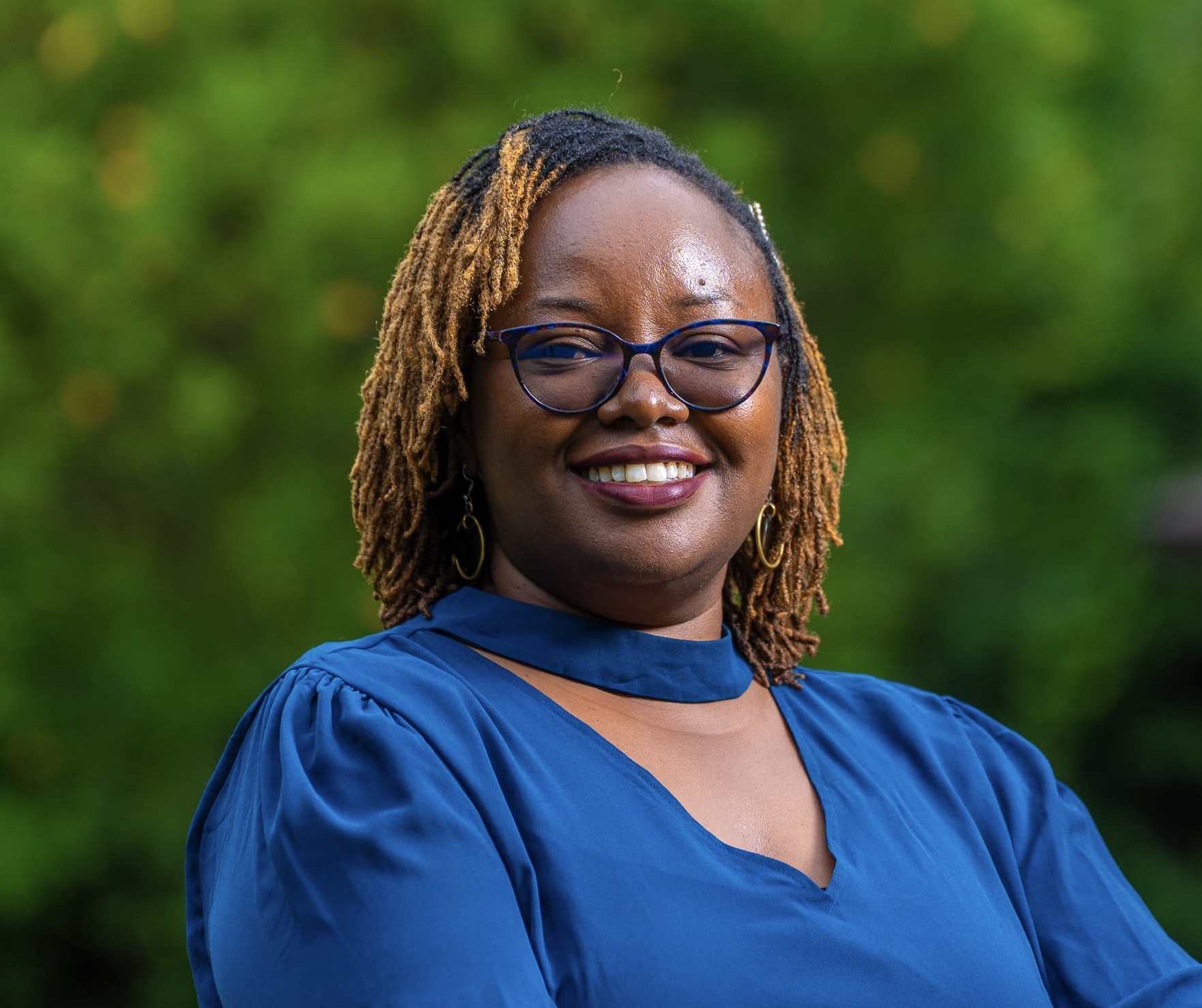
Carol Mwaura.
Carol Mwaura is a librarian, knowledge equity advocate, and community leader with a decade experience in library and information services, community engagement, and open knowledge initiatives. She serves as the Library Manager in a community library and is a founding member and Co-lead of the Wikimedia Community User Group Kenya. Through her work with Wikimedia and libraries, she has championed initiatives focused on bridging knowledge gaps, increasing the representation of African content online, promoting digital literacy, preserving local knowledge, and advancing gender equity on the internet. Carol has led and supported numerous community-driven projects across Africa and globally, including campaigns on open knowledge, information access, and sustainable development. She is passionate about leveraging libraries, technology, and collaborative communities to expand access to knowledge and create inclusive opportunities for learning and participation.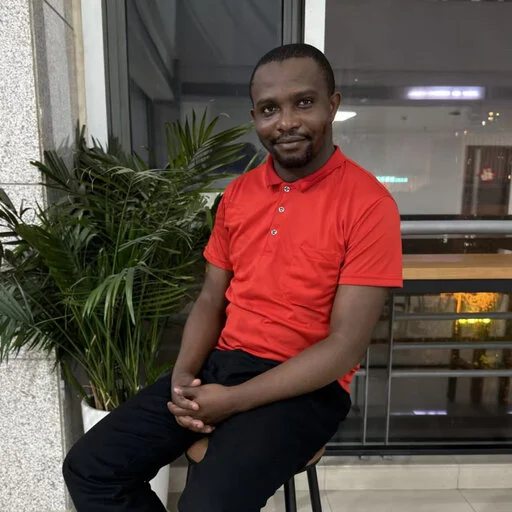
John Mutinda PhD Candidate.
John Kamwele Mutinda is a third-year doctoral candidate in Statistics at the School of Management, Department of Statistics and Finance, University of Science and Technology of China, where his research focuses on innovative hybrid machine and deep learning models for time series analysis. He holds two Master's degrees: a Master's in Machine Intelligence from the African Institute for Mathematical Sciences in Senegal, awarded with distinction, and a Master's in Mathematical Sciences from AIMS Rwanda, also with distinction. He completed his Bachelor of Science in Statistics with First Class Honours from South Eastern Kenya University. He has been the recipient of several prestigious awards, including the Full PhD Scholarship from the University of Science and Technology of China, the AMMI Scholarship funded by Facebook and Google, and the Next Einstein Fellowship Master's Scholarship. Additionally, he holds a Certificate in Business Administration from the European School of Management and Technology in Berlin, Germany. John has published over 25 peer-reviewed papers in reputable international journals including Expert Systems with Applications, Computational Economics, Scientific African, and the Journal of Applied Mathematics. He serves as a key peer reviewer for more than 50 international academic journals across machine learning, statistics, and applied sciences. His research interests span linear, nonlinear, and interval time series analysis, feature selection, machine learning, deep learning, large language models, and agentic artificial intelligence. His work consistently emphasizes methodological rigor, cross-domain applicability, and the integration of explainable AI to bridge predictive modeling with real-world decision-making across the natural, social, and life sciences.Teaching Assistants
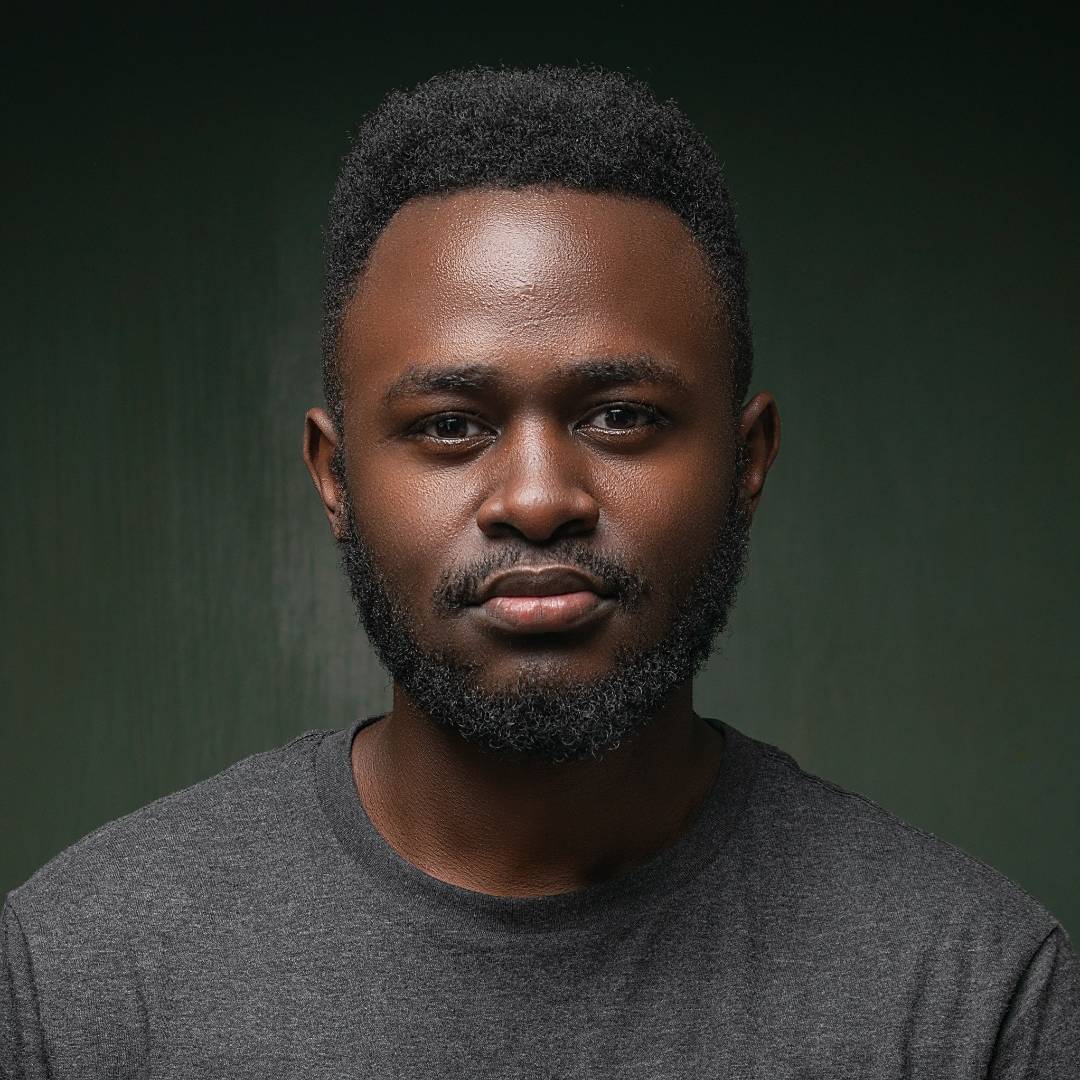
Lebu Ayiga.
Lebu Ayiga is a software engineer and a community organizer with Wikimedia Kenya User Group, where he contributes his technical expertise and organizational leadership to advance the movement's strategic goals. Lebu is deeply involved in initiatives aimed at closing digital and gender gaps on Wikimedia platforms and promoting equitable access to information, strengthening the local knowledge ecosystem, and empower the next generation of open knowledge contributors.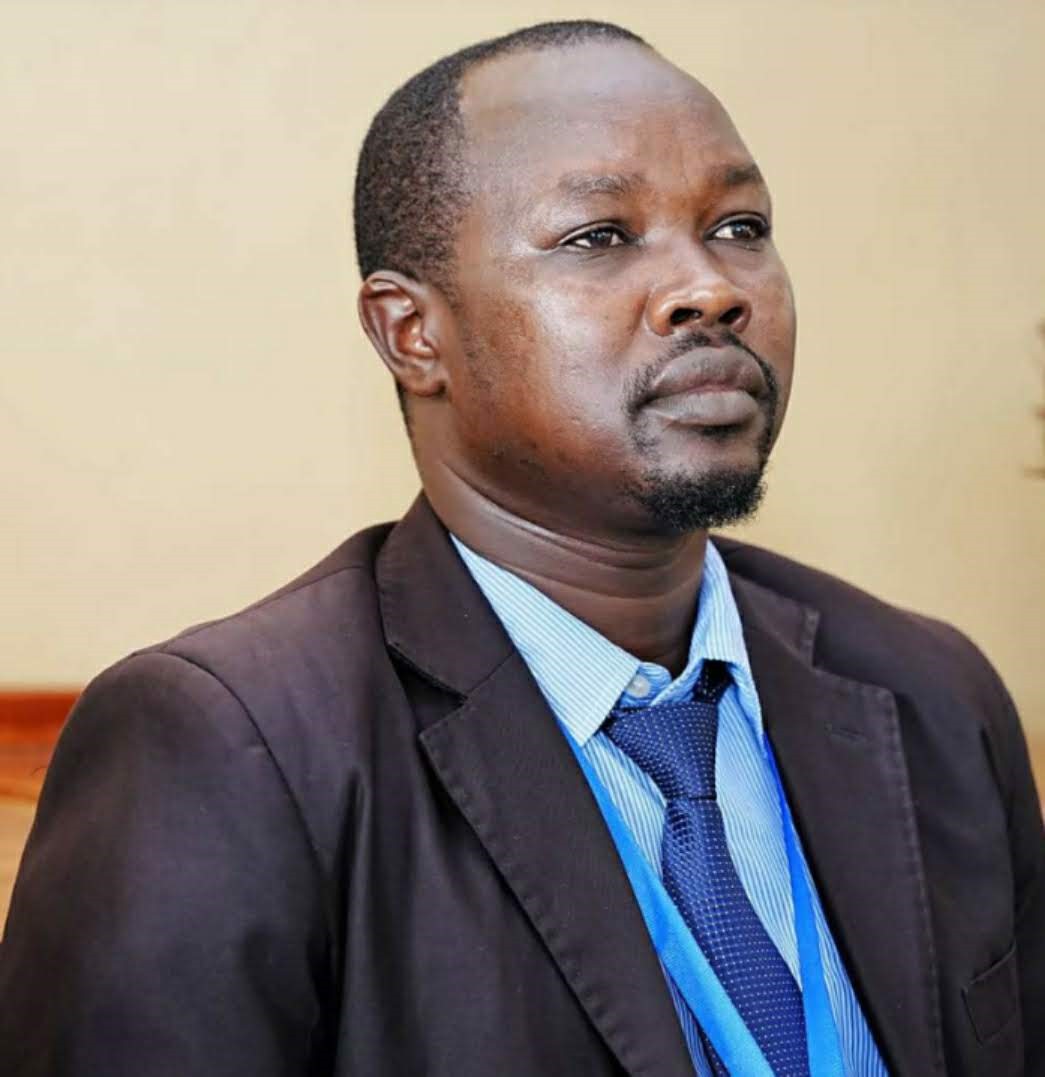
Samuel Kipsang Kaptum.
Samuel Kaptum is an emerging scholar and educator in the field of Mathematical sciences, specializing in Financial Mathematics and behavioral finance. He holds a Master of Science in Mathematics (Financial Option) at the Pan African University Institute for Basic Sciences, Technology and Innovation (PAUISTI), where his research explores modeling herd behavior in financial markets an area at the intersection of psychology, economics, and quantitative analysis. He also holds a Master of Science in Mathematical Sciences from the African Institute for Mathematical Sciences (AIMS), a Pan-African center of excellence for advanced Mathematical training and research. His academic foundation began with a Bachelor of Science in Mathematics from the University of Nairobi. With a passion for teaching and applied research, Samuel is lecturing applied Mathematics and Statistics at Jomo Kenyatta University of Agriculture and Technology (JKUAT) and NIBS Technical College. He is committed to interdisciplinary collaboration, mentoring the next generation of scholars, and solving real-world financial challenges through data-driven analysis.Participants

Ify Okpali.
Ify Okpali is a dual-PhD candidate in Political Science and Communication at the University of Pennsylvania’s Annenberg School for Communication and Department of Political Science. Her research examines how digital media is reshaping the circulation of political information, as well as political accountability. She is particularly interested in the evolving roles of journalists, digital influencers, and other intermediary actors within increasingly social media-driven environments. Focusing on the African context, her dissertation aims to explore how the continent’s demographic youth bulge intersects with shifts in the digital media ecosystem to expand the range of voices shaping political interpretation, particularly among increasingly young and digitally connected citizens. Methodologically, she is a mixed-methods researcher, looking to integrate computational social science approaches, including computational text analysis and content analysis, with qualitative and field-based research methods.
Makambi Dennis.
He is a Biostatistician and Mathematical Statistician with expertise in statistical genetics, infectious disease modeling, Bayesian analysis, causal inference, and machine learning applications for health data. His current research focuses on developing and evaluating imputation methods for missing genome-wide expression data under the Hardy–Weinberg Equilibrium framework at Kisii University.He has extensive experience teaching undergraduate statistics and supporting interdisciplinary research through the application of advanced statistical and computational techniques. He is proficient in a range of analytical tools, including R, Python, STATA, SPSS, and Advanced Excel, which he utilizes for data management, statistical modeling, and evidence-based decision-making.His research interests span genomic epidemiology, spatial and spatiotemporal disease modeling, survey methodology, epidemiological data analysis, and public health analytics. He has actively contributed to malaria surveillance and infectious disease research projects, applying quantitative methods to address complex health challenges. In addition, he has presented his research findings at both regional and international scientific conferences.He is passionate about leveraging statistical, mathematical, and computational approaches to advance public health research, strengthen data-driven policy formulation, and develop innovative solutions to emerging challenges in health and data science..
Grace Nzambali Kitonyi.
Grace Nzambali Kitonyi is an MSc candidate in Mathematical Epidemiology at the African Institute for Mathematical Sciences (AIMS) Rwanda, supported by a Mastercard Foundation Scholarship. Her research applies compartmental ODE models and machine learning classifiers to build a county-level cholera early warning system in Kenya, combining climate, NDVI, and WASH surveillance data to inform public health decision-making. She holds a BSc in Applied Mathematics from the University of Nairobi and has a background spanning epidemiological modelling, data analysis, cybersecurity, and computational methods. Grace is passionate about open-source tools, reproducible research, and the intersection of computational social science and public health. She is also a beVisioneers Fellow through the Mercedes-Benz Fund, contributing to community sustainability initiatives..
Peter Okot
..
Fred Onyango Junior
..
Pauline Odhiambo
..
Dr. ildephonse nizeyimana
..