People
Faculty
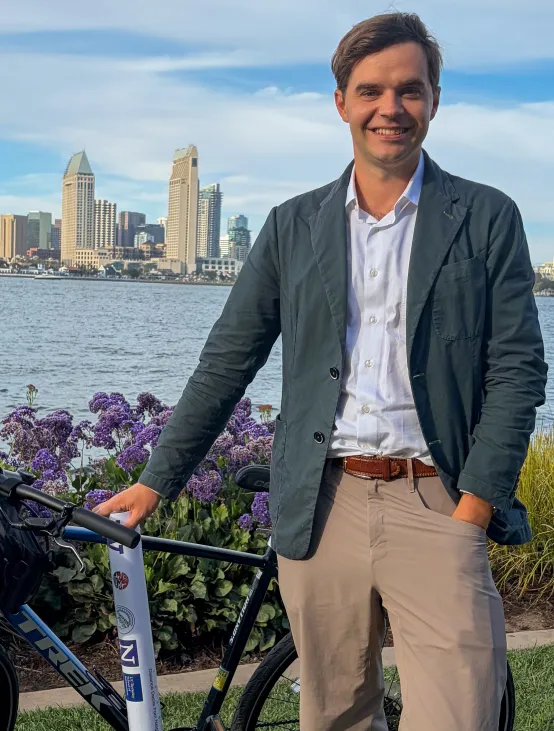
Adam Visokay
I am a PhD student studying at the University of Washington, advised by Professor Tyler McCormick and Professor Sasha Johfre. I am also an affiliated student with the Max Planck Institute in Germany. My research explores how to leverage artificial intelligence and machine learning to study social phenomena, typically motivated by questions in public health, economics, and sociology. I am particularly interested in how to perform valid statistical inference using predictions from black box algorithms and how to effectively use AI/ML methods in a way that is both transparent and socially grounded.
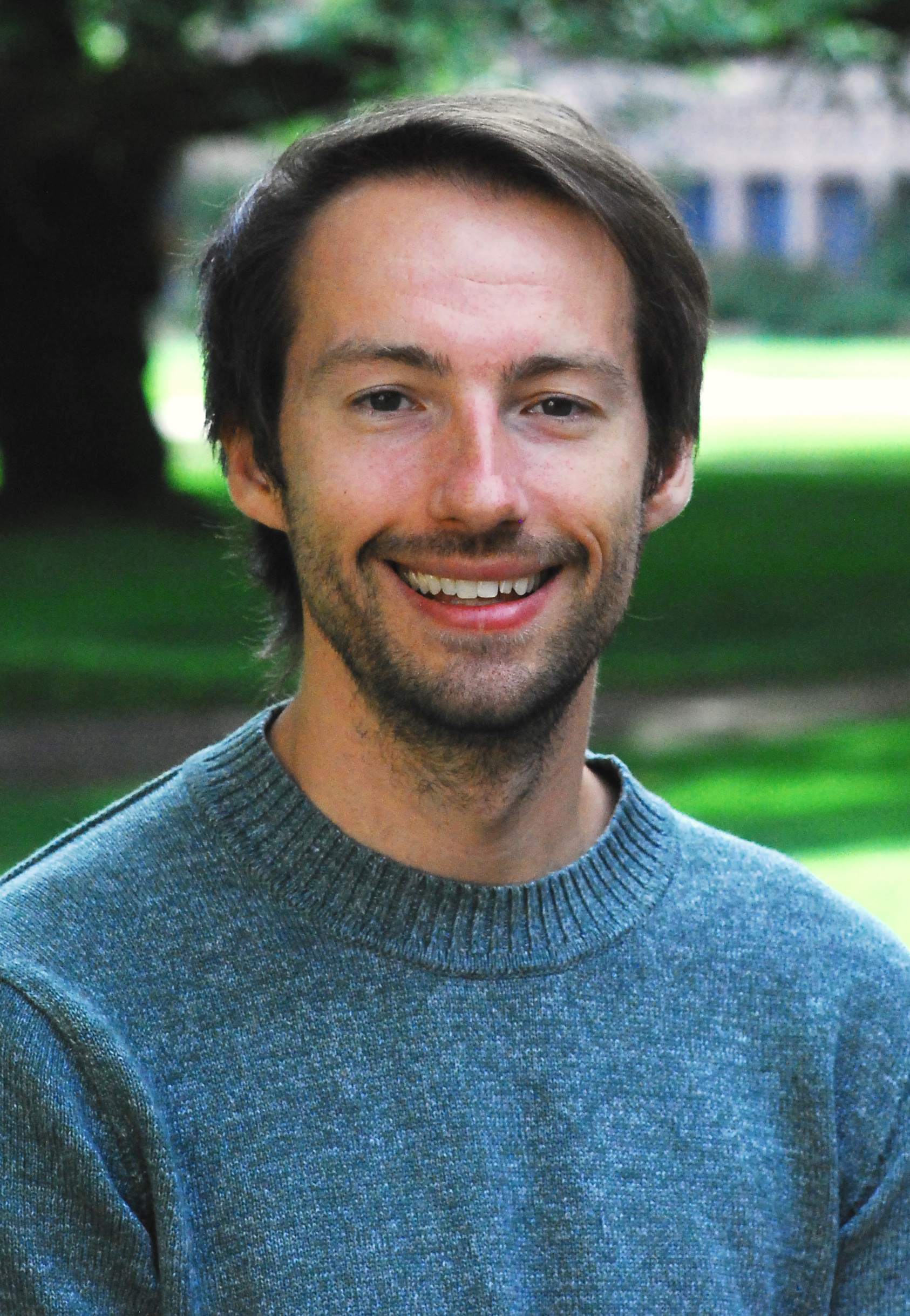
Tyler McCormick
Tyler McCormick is a Professor of Statistics and Sociology at the University of Washington. Tyler's research covers a variety of topics in statistics and data science, typically motivated by scientific questions in global health, economics, demography, and sociology. Recent projects include estimating features of social networks (e.g. the degree of clustering or how central an individual is) using data from standard surveys, inferring a likely cause of death (when deaths happen outside of hospitals) using reports from surviving caretakers, and quantifying & communicating uncertainty in predictive models for global health policymakers.Speakers
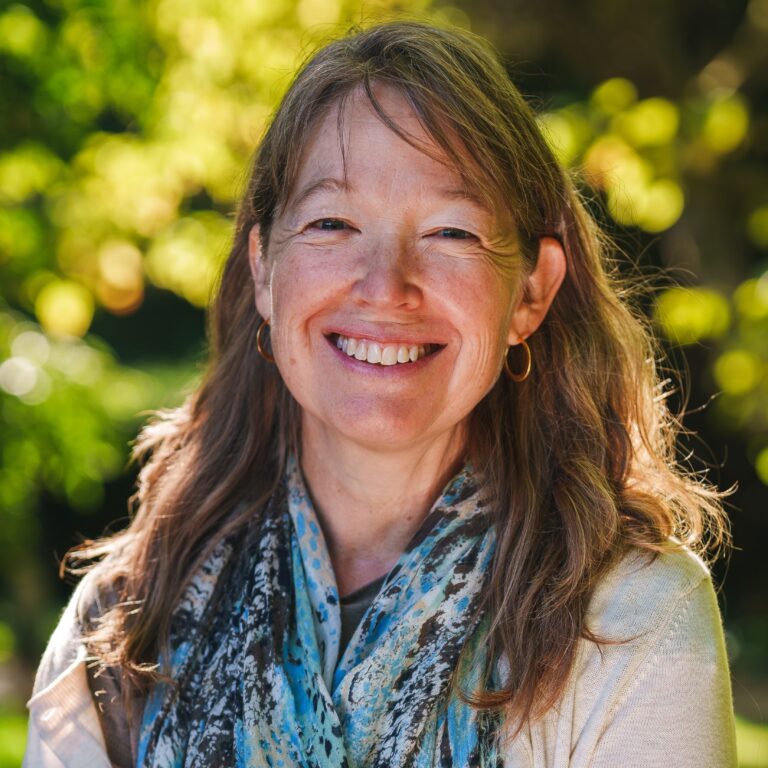
Sarah Stone
Dr. Sarah Stone is the Executive Director of the University of Washington eScience Institute, a campus hub for data-intensive discovery crossing all disciplinary fields. She is also Co-Director for UW's Scientific Software Engineering Center (SSEC) which develops open and reproducible software for research communities in collaboration with Schmidt Sciences. As a co-PI on NSF's CloudBank initiative she leads outreach and training, educating researchers about cloud computational resources. Stone is a co-founder and previous director of the UW Data Science for Social Good program (2015-2024). Stone's background is in biological oceanography where she studied zooplankton impacts on the ocean carbon cycle.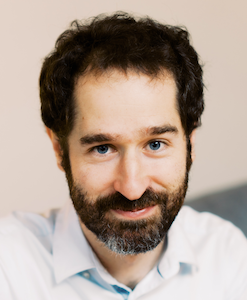
Scott Henderson
I'm a research scientist in the Earth and Space Sciences Department at the University of Washington and Data Science Fellow at the eScience Institute. My research focuses on the application of satellite observations to understand and monitor terrestrial natural hazards, such as volcanic eruptions, landslides, and earthquakes. If I'm not considering the view from satellites then I am exploring on ground, whether in my own backyard or abroad.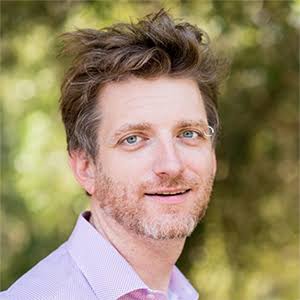
Benjamin Mako Hill
I am a social scientist and technologist. In both roles, I work to understand the social dynamics that shape online communities. My work focuses on communities engaged in the peer production of digital public goods free culture and free software like Wikipedia and Linux. For most of my life, I have also participated in these communities as an activist, contributor, and leader. I spend most of my time consuming, and increasingly often producing, academic articles, software, blog posts, essays, books and talks.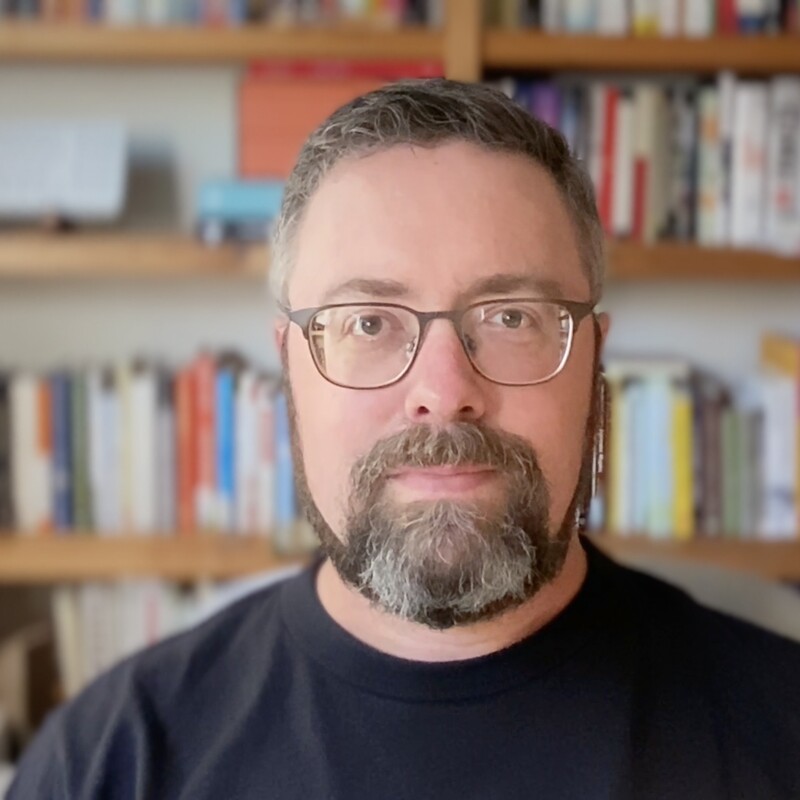
Trey Causey
I most recently led responsible AI efforts at Indeed where I supported our mission to help all people get jobs. We worked across the business to support the development and deployment of ML and AI models that increase fairness, reduce bias, and expand access to economic opportunity for hundreds of millions of job seekers every month. My team was interdisciplinary, cross-functional, and was tasked with building solutions and tools that enabled the responsible application of AI. We aimed to allow AI teams to move more quickly *and* more responsibly.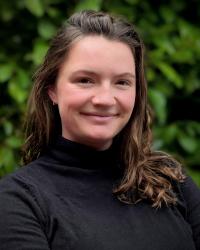
Sasha Johfre
I am an Assistant Professor of Sociology and core faculty in the Center for Statistics and the Social Sciences at the University of Washington. I am also a faculty affiliate in the Center for Studies in Demography and Ecology and Science, Technology, and Society Studies at the University of Washington. My research considers the creation and consequences of conceptual categories, including ways that human difference (e.g. based on gender, race, age, etc.) is seen as real and natural. My overall goal is to create new conceptual and methodological tools that help people understand, interrogate, and intentionally engage in social processes. I am currently working on projects related to what I call "Naturalness Dogma"; age as a socially constructed system of inequality; and methods to more responsibly measure and interrogate social difference.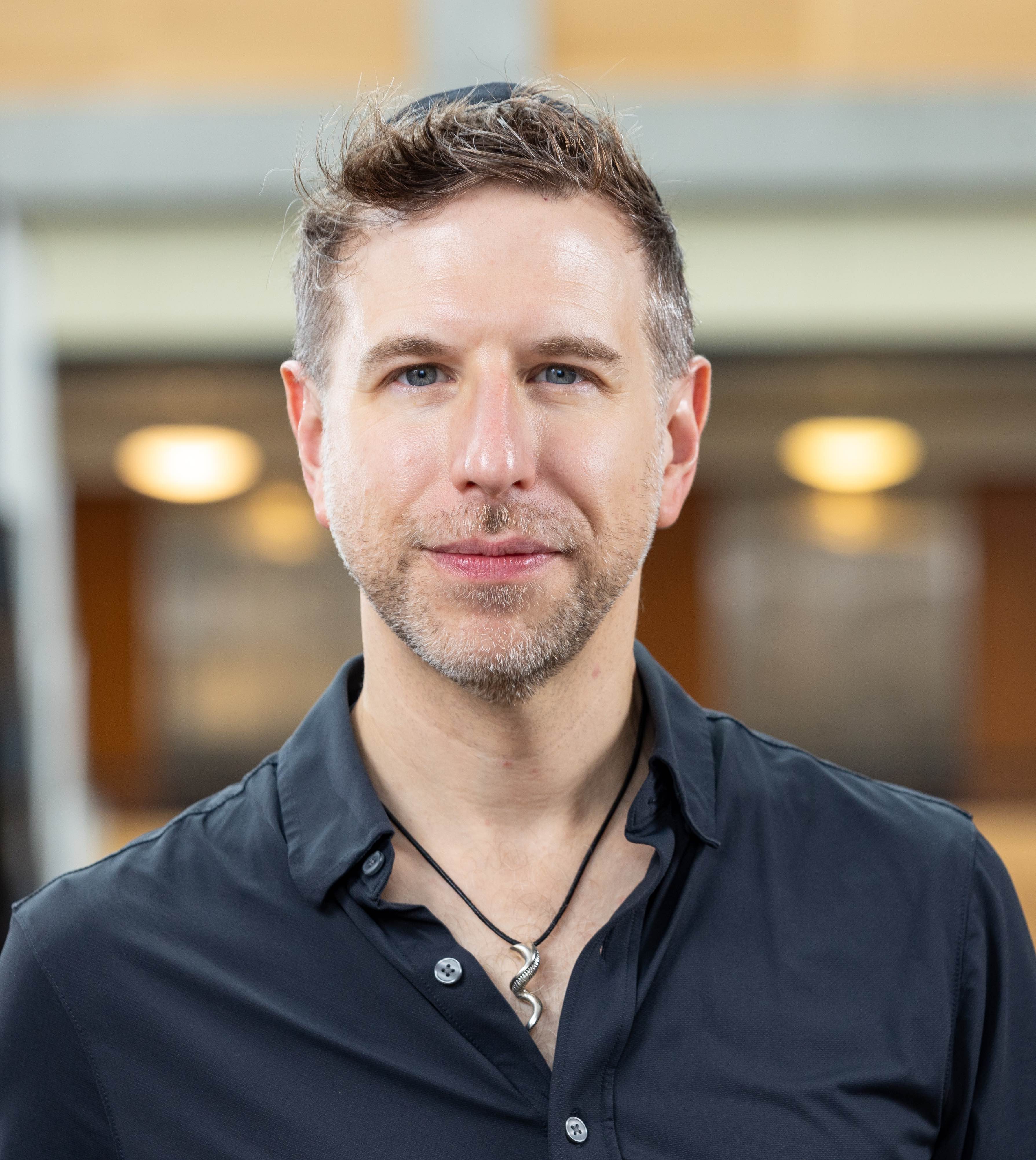
Noah A. Smith
Noah Smith is a computer scientist working in several fields of artificial intelligence research. He recently wrote Language Models: A Guide for the Perplexed, a general-audience tutorial, and he directs the OLMo open language modeling effort. He is the PI of the NSF- and NVIDIA-supported project Open Multimodal AI Infrastructure to Accelerate Science. Broadly, his research targets algorithms that process data encoding language, music, and more, to augment human capabilities. He also works on core problems of research methodology like evaluation.Jian Yang
I thrive in creative, cross-disciplinary environments and work across organizational boundaries to surface the unspoken questions and assumptions that shape our products. I put people first, centering their needs, problems, goals, and aspirations. I'm energized by creating direct, tangible product impact and delivering holistic, AI-powered consumer experiences across apps and the web!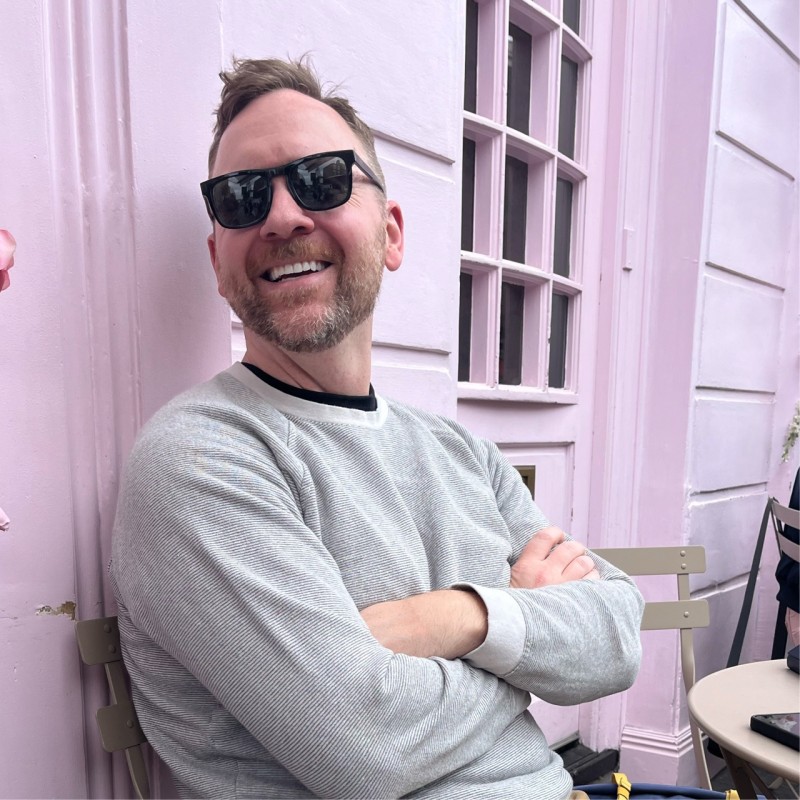
Jess Holbrook
Currently leading UX research for Microsoft AI. Early stage investor in AI, AI hardware ecosystems, climate, bio, and anything that seems like the world would be better with it in it. Previously led the Generative AI, Responsible AI, and data transparency UX research teams at Meta. At Google I was Head of UX for the Responsible AI and Human-centered Technology group. Before that, I founded and led of the People + AI Research team (PAIR) working on human-centered and inclusive approaches to AI. I led a team of UX Researchers, Interaction, Visual, and Motion Designers, Prototypers, and Program Managers in the Google Research (aka Google AI) group. We took AI and machine learning technologies, matched them with people's needs, and brought them to market through products like Google Clips and the Pixel phones. I was also the UX Lead for AIY Projects bringing AI to the maker community. Before that, I researched many of the Google Cloud Platform developer experiences including those around big data, data visualization, and developer productivity.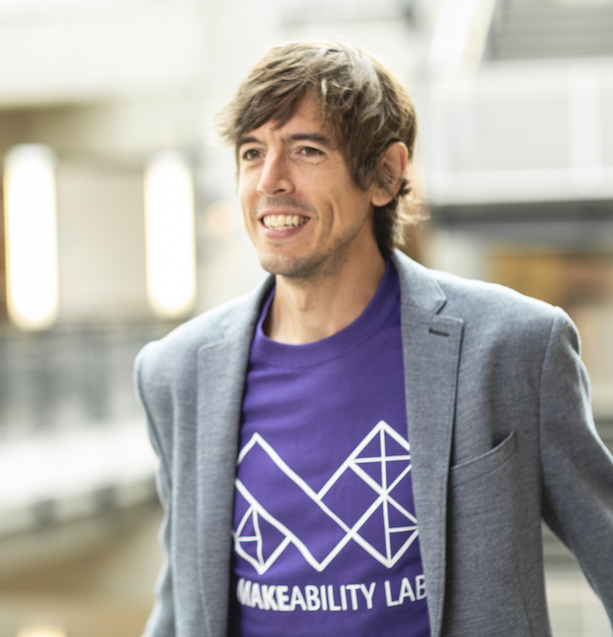
Jon E. Froehlich
I'm Jon, a Professor in Human-Computer Interaction at UW's Allen School of Computer Science and Engineering where I work with an extraordinary set of students and collaborators on problems related to accessibility, urban informatics, environmental sustainability, and STE(A)M education. I am also a Visiting Faculty Researcher on the Society-Centered AI team at Google Research. At UW, I direct the Makeability Lab and am the Associate Director of CREATE (Center for Research and Education on Accessible Technology and Experiences), Associate Director of Tech Transfer and Outreach of PacTrans, and co-founder of Project Sidewalk, a web tool aimed at transforming how sidewalks are mapped, analyzed, and visualized using crowdsourcing+AI. I also serve as a Core Faculty Member in the Interdisciplinary PhD Program in Urban Design and Planning within the UW Graduate School. I was selected as a Sloan Fellow in 2016, the UW College of Engineering Outstanding Faculty in 2021, the PacTrans Outstanding Researcher in 2022, and for the SIGCHI Societal Impact Award in 2026.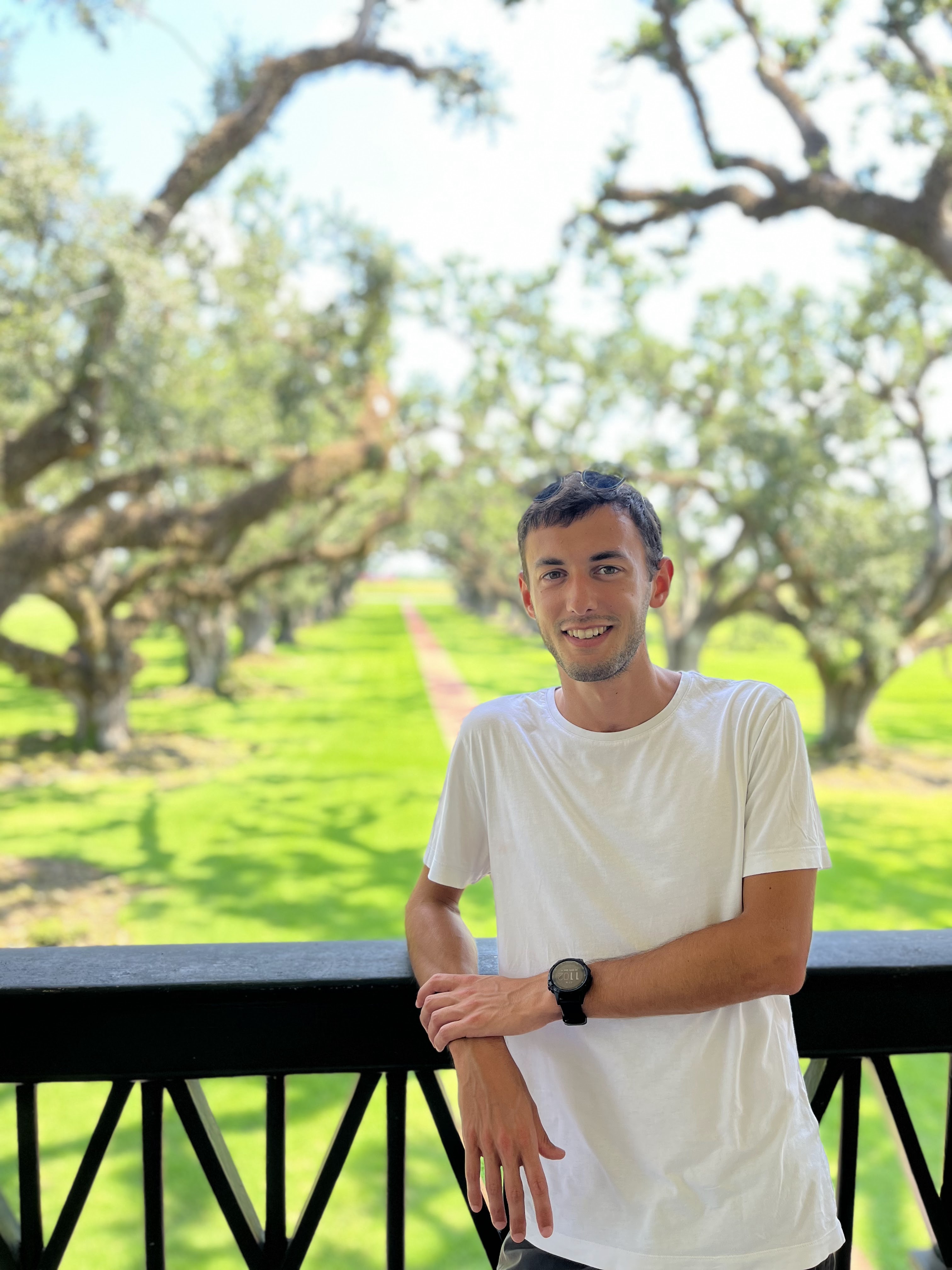
Riccardo Fogliato
I am a senior research scientist on the Responsible AI team at Microsoft Core AI, working on testing of LLM safety. Previously, I was an applied scientist on the Responsible AI team at AWS, where I worked on statistical methods for evaluating language and vision models. I received a PhD in Statistics from CMU under the supervision of Alexandra Chouldechova and Zachary Lipton. During the PhD, I interned at MSR with Besmira Nushi, Kori Inkpen, and Eric Horvitz. I also was a research fellow at the Partnership on AI where I worked with Alice Xiang. Before going to CMU, I studied at Collegio Carlo Alberto, at the Universities of Torino and Padova, and spent some time at ENS Cachan.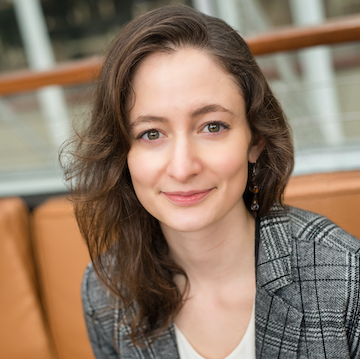
Madeleine Daepp
Dr. Madeleine I. G. Daepp is a senior researcher on the Special Projects team at Microsoft Research. Her research is characterized by multi-sectoral collaborations to solve problems in shared public space. Her research has been published across disciplines including urban planning, public health, and computer science. As the token urban planning researcher at Microsoft Research, a key focus of her work is in bridging the divide between the promise of new technologies and data and the needs of communities. She holds a PhD from MIT, an MSc from the University of British Columbia - Vancouver, and a BA from Washington University in St. Louis.Teaching Assistants
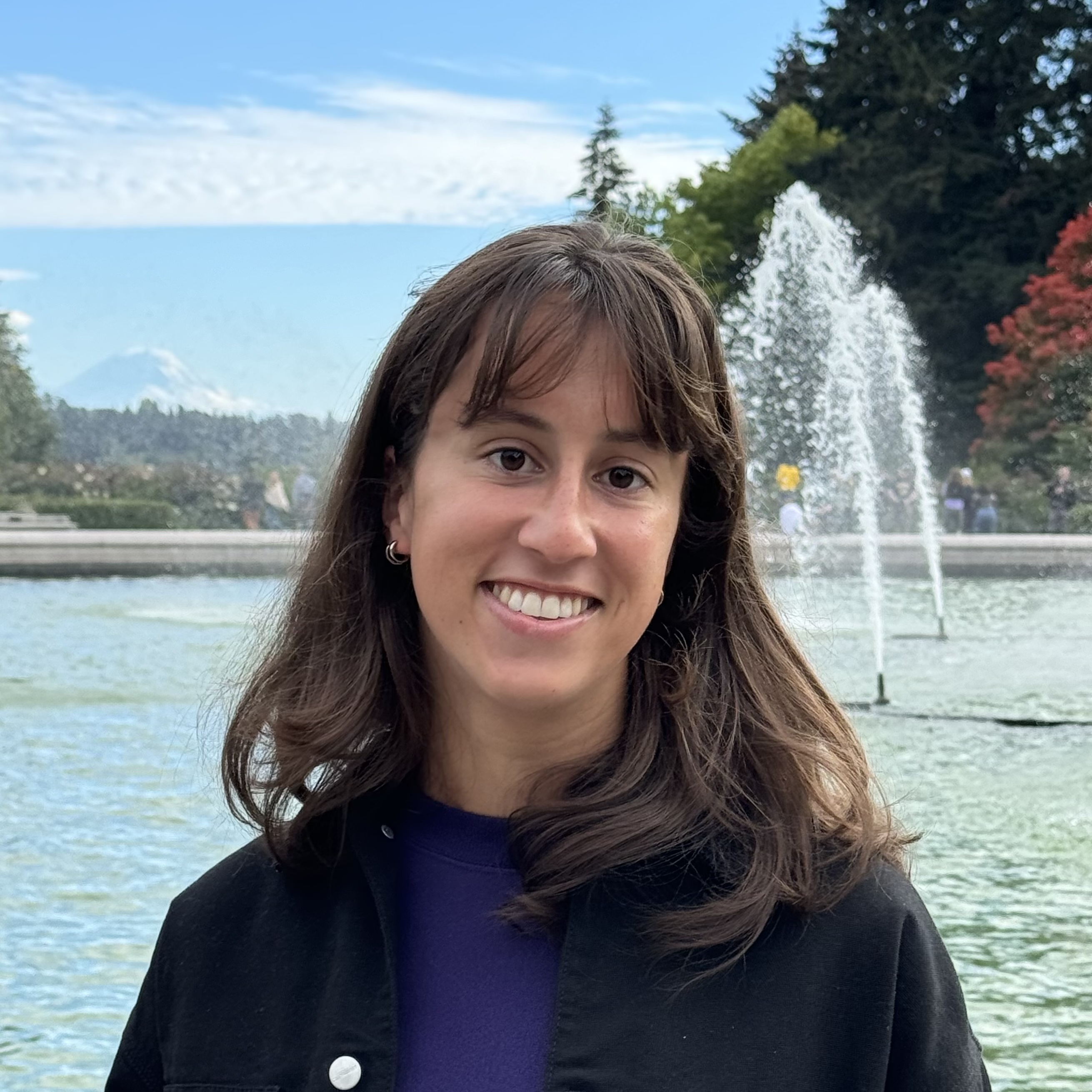
Isabelle Thiara
Isabelle is a third-year PhD student in the Department of Statistics at UW. She is interested in the intersection of statistics and global health. Her research focuses on building dynamic, temporal networks to characterize human-livestock contact structure and map zoonotic disease transmission.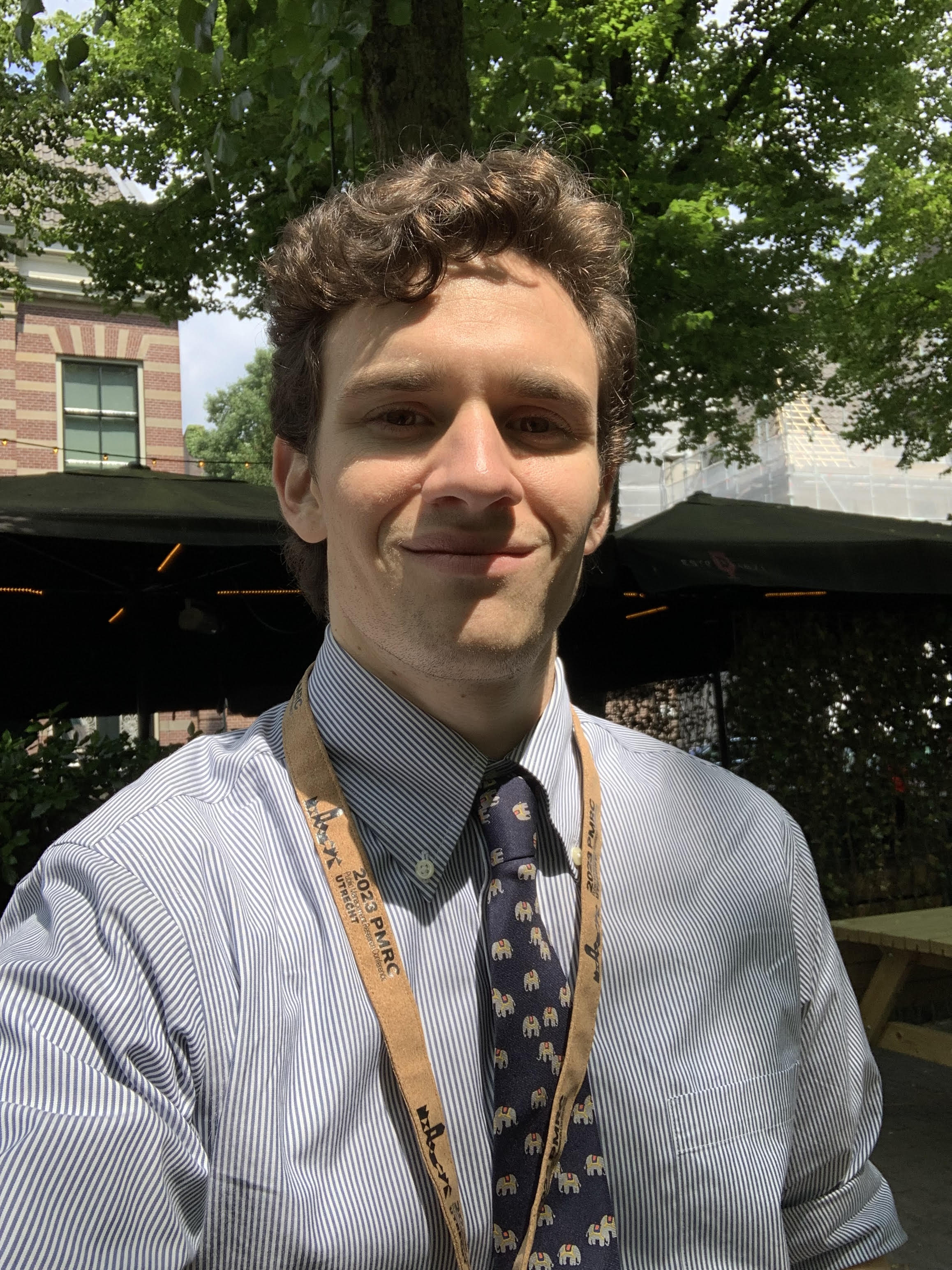
Mark Nepf
Mark is a PhD student at the University of Washington's Evans School of Public Policy & Governance, where his research connects environmental justice and marine policy. Mark's work explores collaborative governance frameworks for estuary management, leveraging spatial data to understand barriers to public participation.Participants
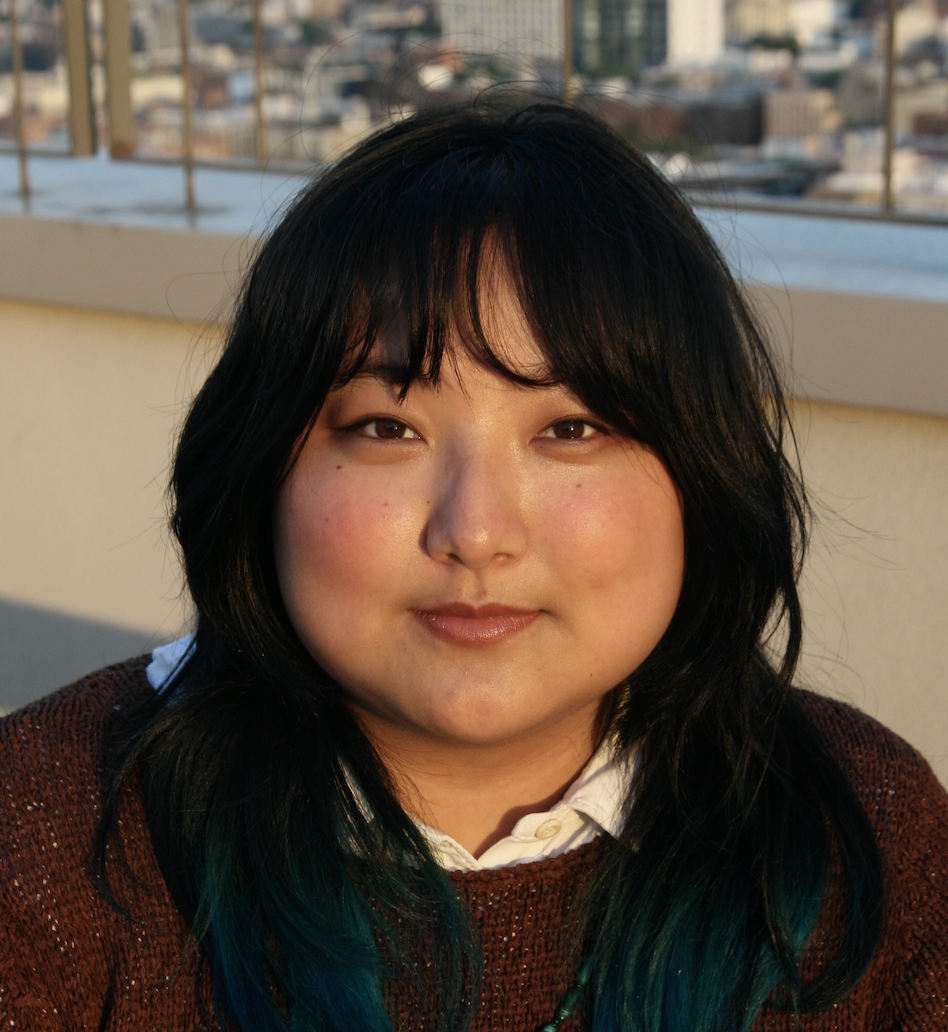
Amy Xiao
Amy is a first year PhD student at UW HCDE, supported by the NSF Graduate Research Fellowship and the UW College of Engineering Dean's Fellowship. They study digital safety for marginalized groups, with a focus on peer- and community-based support against harm both facilitated and enacted by technology. Amy draws from theories of disability justice and WOC feminism to reflect on how we design, govern, and resist technology. Previously, Amy was at Brown University where they worked with the Brown HCI Lab (now Socio-HCI @ Brown) and the Human Trafficking Research Cluster.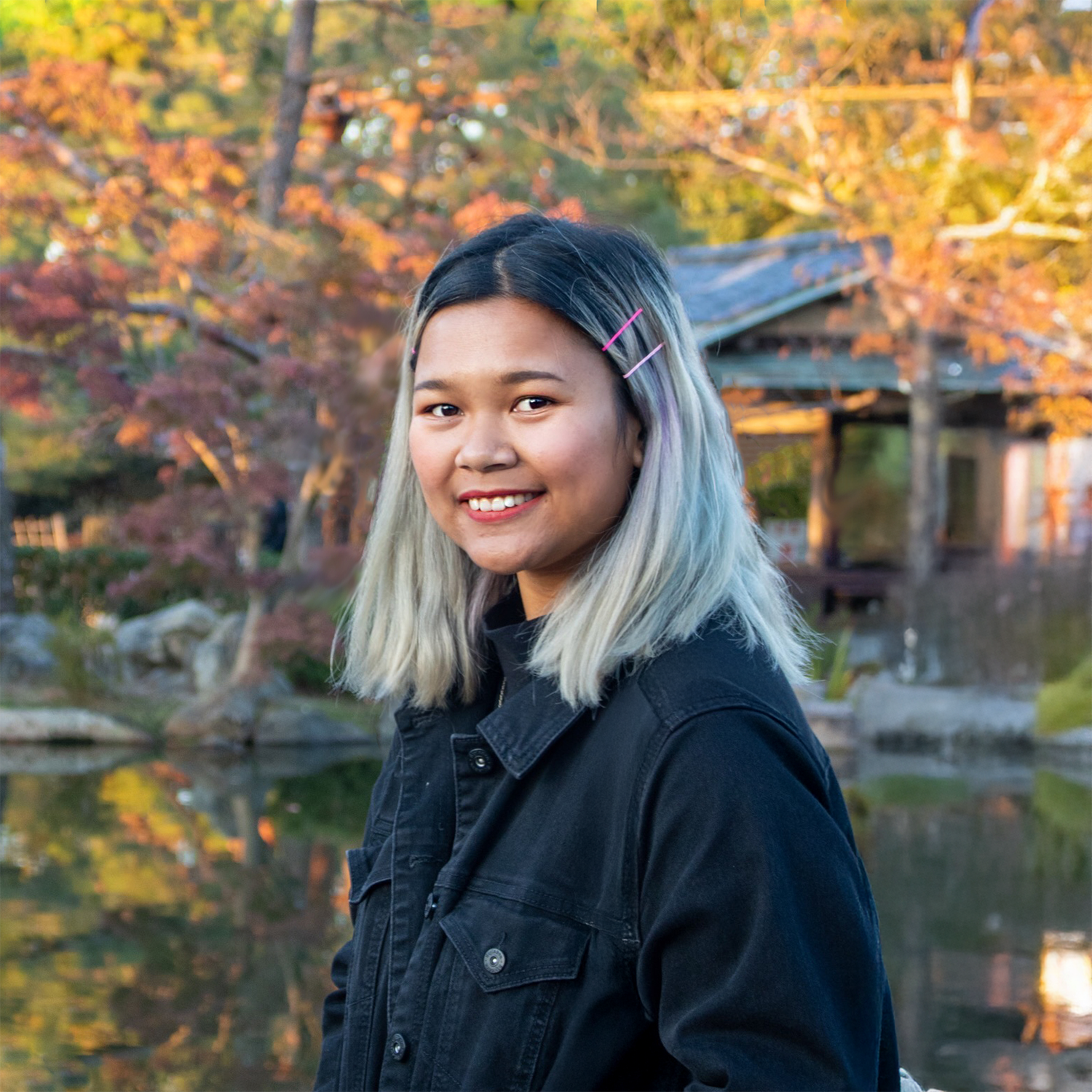
Meziah Ruby Cristobal
Meziah Ruby Cristobal is an NSF CSGrad4US Fellow and Human Centered Design & Engineering PhD student at the University of Washington. Her research examines the impact of emerging technologies (e.g., generative AI) on collaborative work and communication. Prior to starting her PhD, Meziah worked as a software engineer. She now uses skills from this background to inform a research approach that combine systems-building with empirical studies.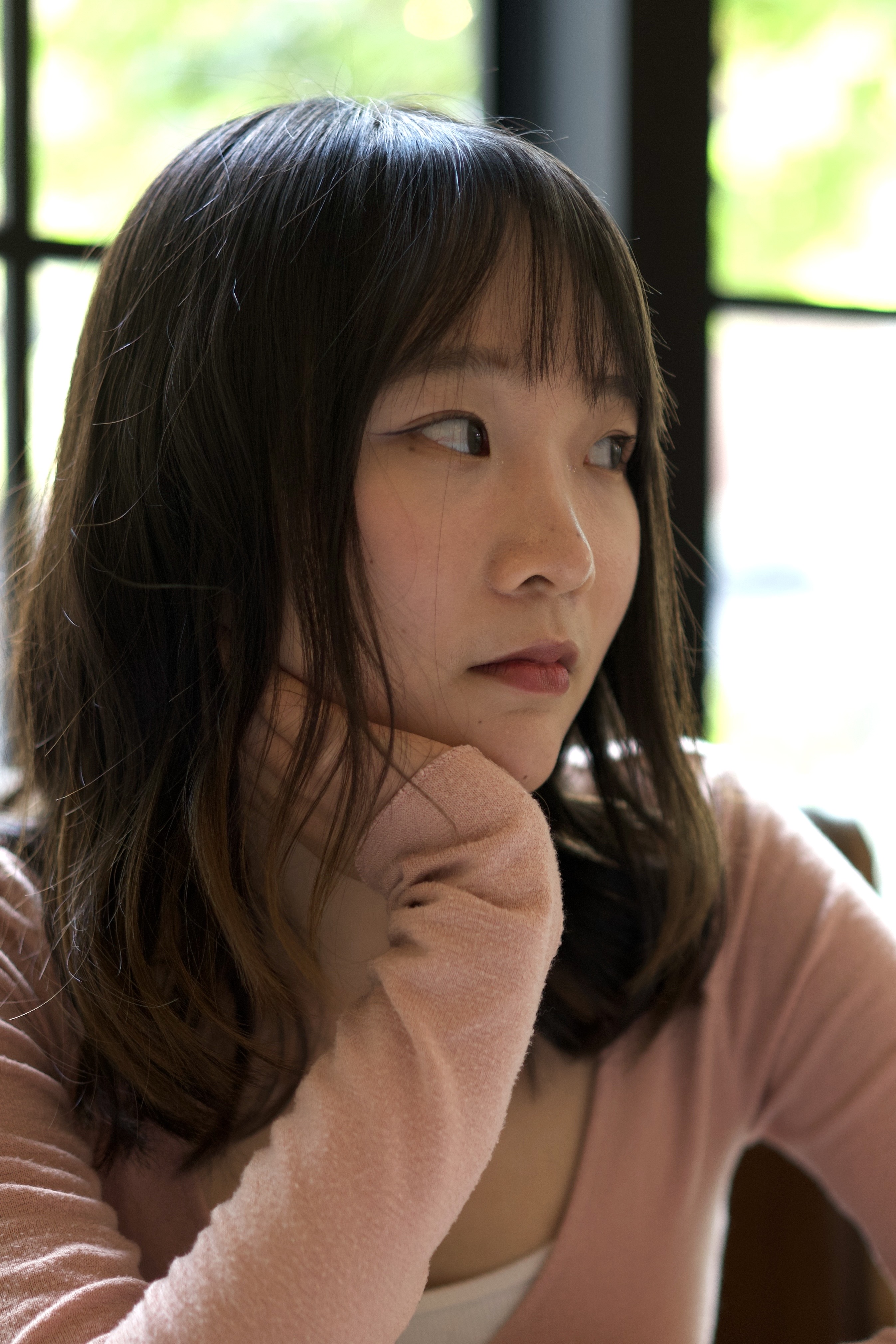
Yiwei Wu
Yiwei Wu is a PhD student with research interests that broadly fall under the study of online communities. More specifically, she is interested in data labor, collective actions, and the impact of generative AI on peer production communities. She uses both qualitative and computational methods to understand how communities respond to technological and institutional change. Her research goal is to support more community-centered approaches in designing sociotechnical systems.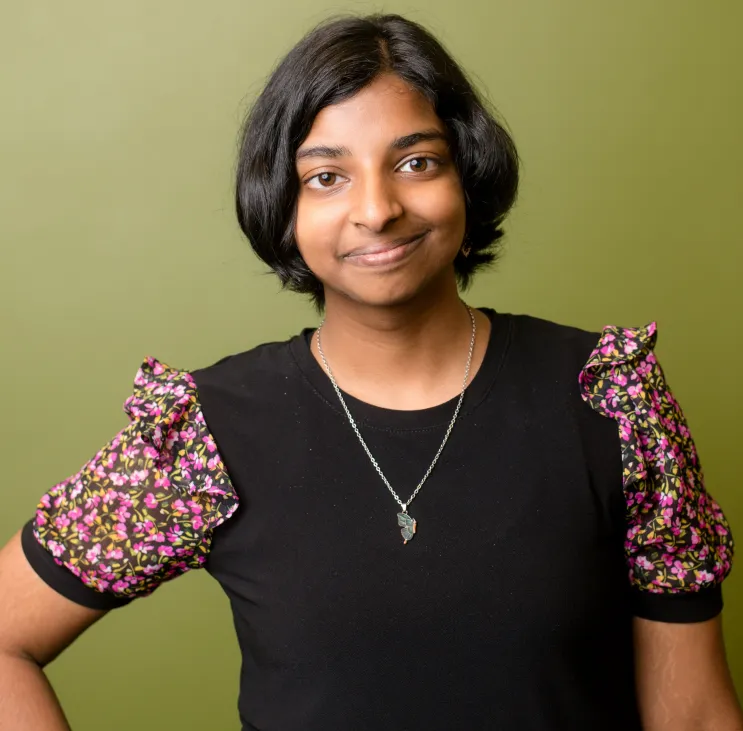
Anika Jain
Anika is an incoming PhD student in Computational Media at UC Santa Cruz. Anika's research interests lie at the intersection of accessibility, data privacy, and ethical AI. Specifically, Anika is interested in exploring how students with disabilities (both diagnosed and undiagnosed) can get the academic support they need while minimizing the amount of medical information they have to disclose. Previously, Anika completed a Masters degree in Human-Computer Interaction at Carnegie Mellon University (CMU) and a Bachelors degree in Computer Science + Astronomy at the University of Illinois Urbana-Champaign (UIUC).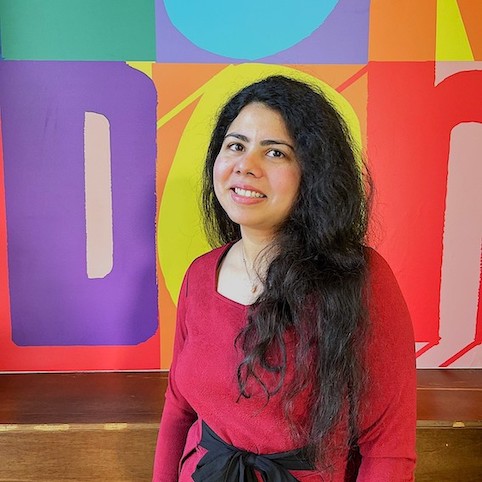
Shaina Jain
Dr. Shaina Jain is a Senior Lecturer and Course Leader at the University of Portsmouth, London, whose research lies at the intersection of sustainability, business analytics, and social systems. Her work combines quantitative and qualitative methods to address complex societal challenges related to waste management, circular economy, sustainable supply chains, and environmental decision-making, bridging data-driven insights with real-world policy and practice. Through interdisciplinary collaborations across academia and industry, she applies computational and analytical approaches to understand human behavior, organisational decision-making, and sustainable development. Alongside her research, she is committed to research-informed teaching and equipping students with analytical skills for addressing pressing societal problems.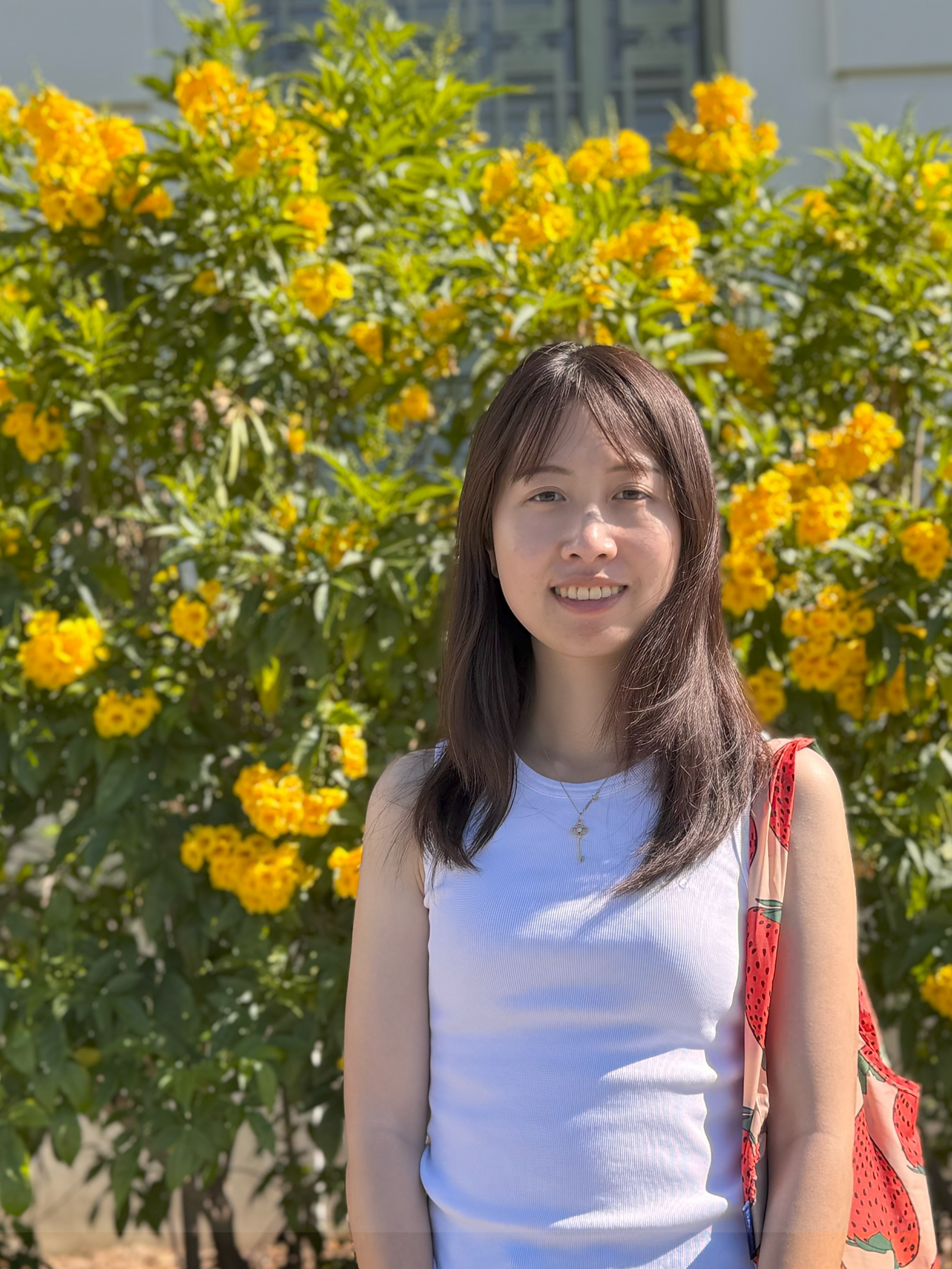
Letao Wang
Letao Wang is a PhD student in Sociology at Washington University in St. Louis. Her current research examines inequality in U.S. labor markets, with particular attention to non-material dimensions of work, such as status and meaning, and to its broader social consequences.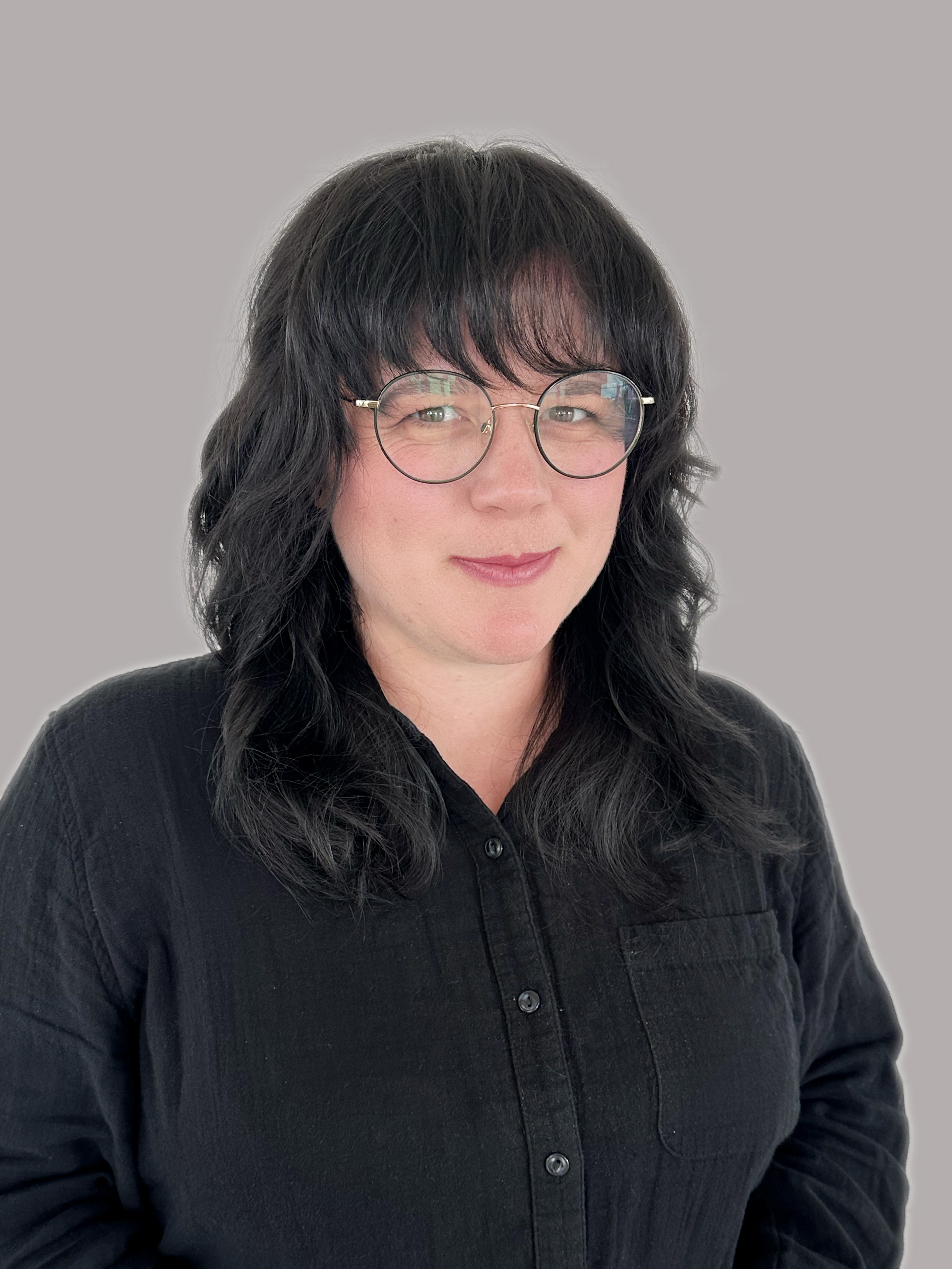
Ris Swank
I am a PhD candidate in Political Science at Washington State University. My research considers the relationship between conspiracy beliefs and support for political violence in American politics. I explore this topic from psychological and behavioral perspectives in tandem with broader informational environments.
Dominic Williams
Dominic is a PhD student in Management at Claremont Graduate University. His research uses qualitative and computational methods to examine the emerging role of AI in interpersonal, group, and organizational processes, informed by his experience commercializing enterprise AI at Google[x].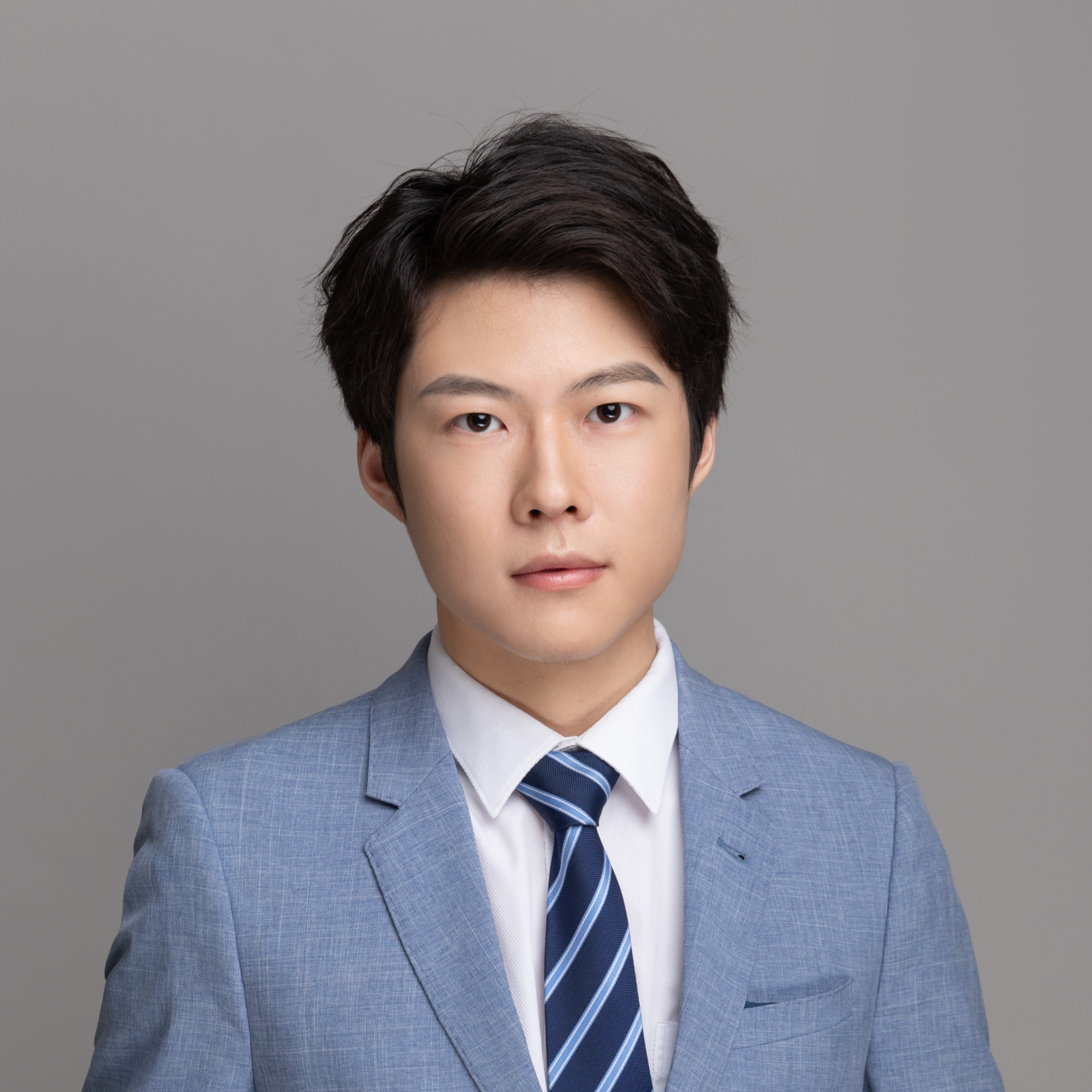
Jikai Sun
Jikai Sun is a PhD student in Mass Communication at the University of Minnesota Twin Cities. His research interests focus on health communication, the mechanisms underlying the spread of misinformation, and the roles, applications, and impacts of emerging technologies such as large language models in communication processes.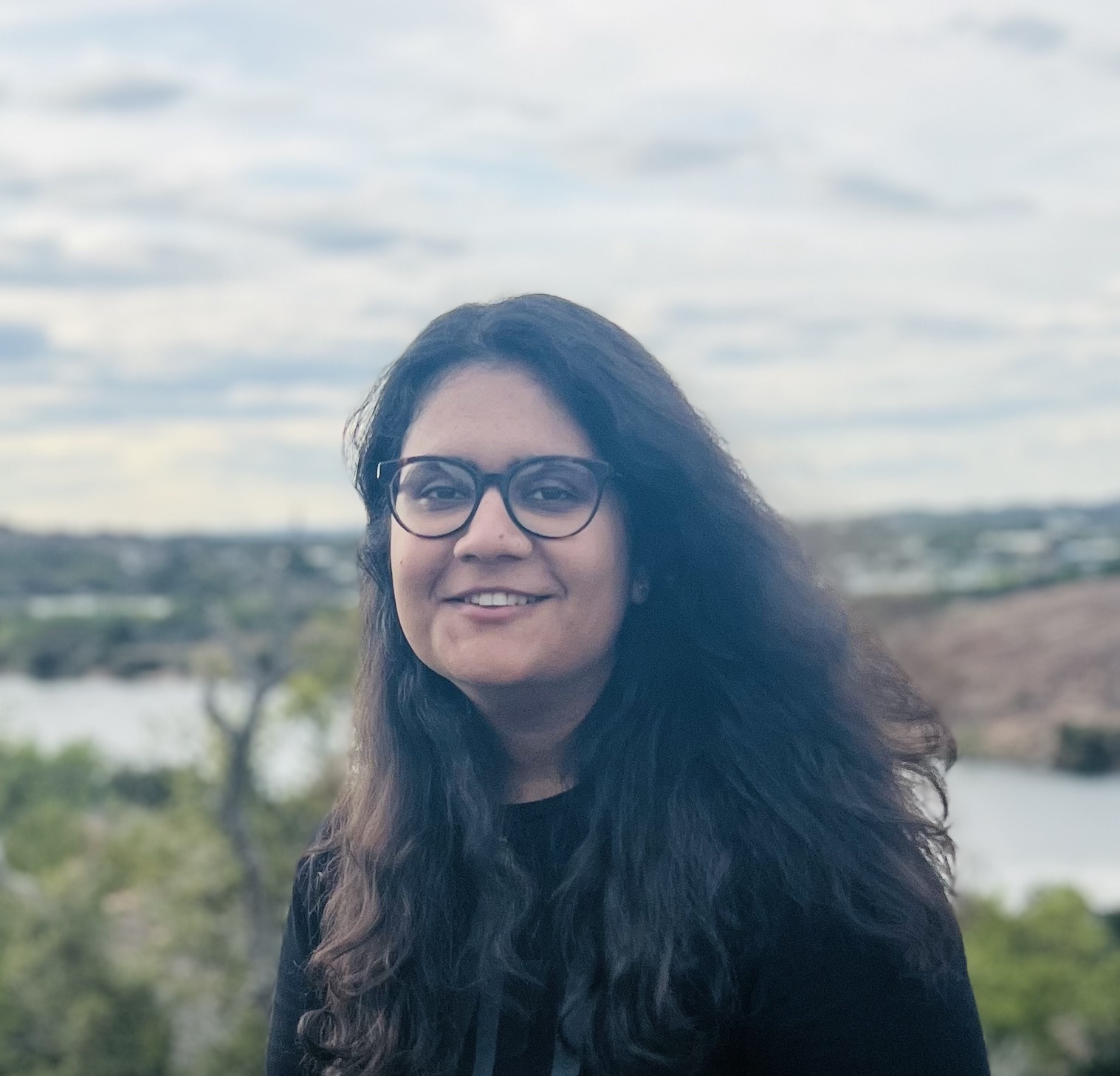
Riya Sinha
Riya Sinha is a second-year PhD student in the School of Information at The University of Texas at Austin (UT Austin), where she is advised by Dr. Hanlin Li. Her research lies at the intersection of social computing, human-computer interaction (HCI), and computer-supported cooperative work (CSCW). She studies how people interact, collaborate, and govern their data in online communities. Her current work examines data work across diverse online communities, with the broader goal of understanding and improving data governance in digital spaces.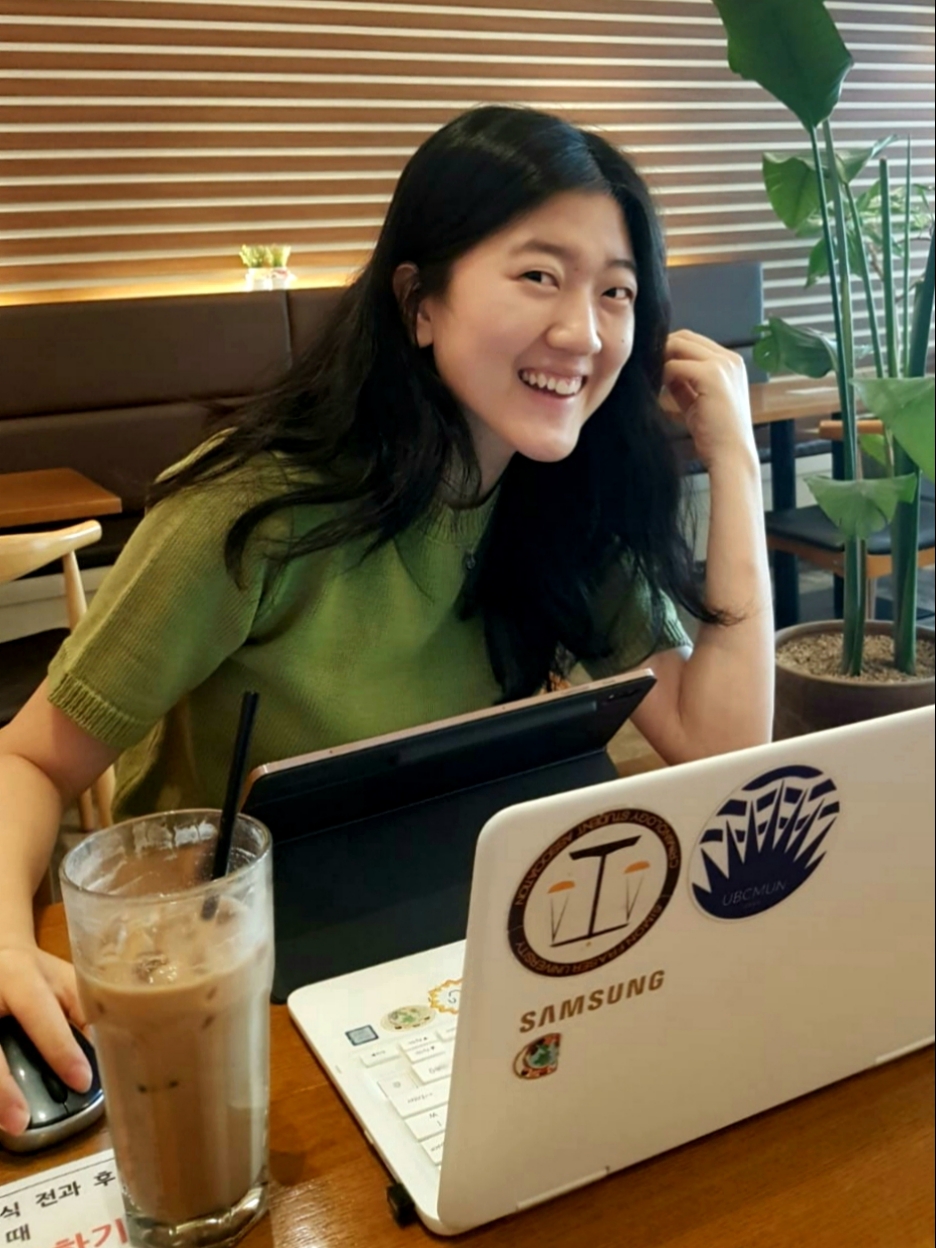
Bo Min Keum
Bo Min is a PhD student at the International CyberCrime Research Institute in Simon Fraser University. She focuses on evaluating what works in preventing and countering violent extremism (P/CVE). She does so by: testing AI-assisted P/CVE, conducting systematic reviews of radicalization prevention programs, and interviewing former extremists to identify intervention target points to support those struggling to navigate exit.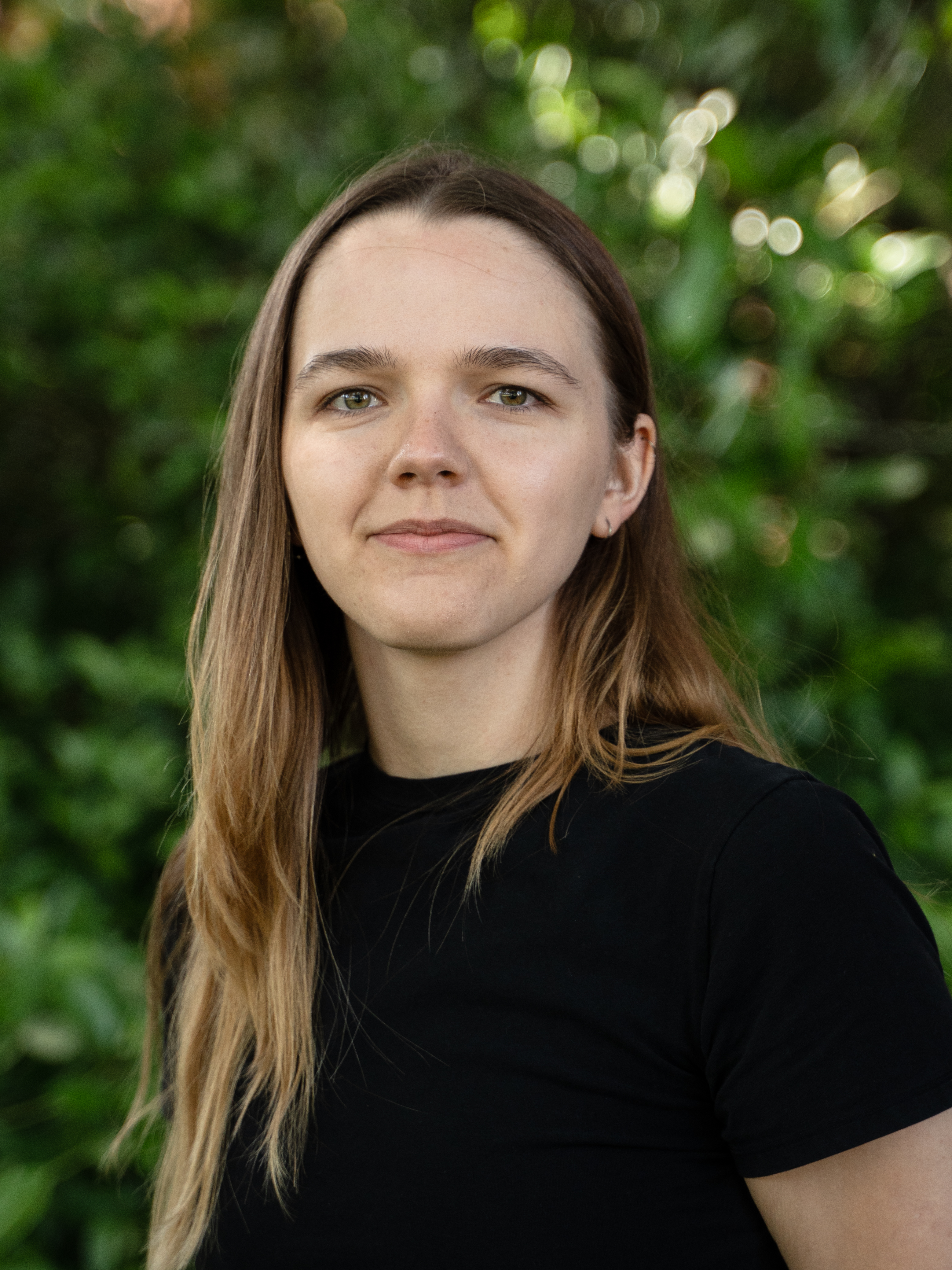
Polina Iasakova
I am a PhD student in Statistics at Oregon State University. Originally from Moscow, Russia, I have been at Oregon State for two years. I hold a bachelor's degree in Economics and Statistics. My research interests include textual analysis, network modeling, and making inferences from complex data using statistical, machine learning and AI tools. (1) - Roman Pomeshchikov.jpg)
Roman Pomeshchikov
Roman Pomeshchikov is a PhD candidate in the Near and Middle Eastern Studies (NMES) Interdisciplinary Program at the University of Washington. His research focuses on incorporating computational techniques into text analysis within mixed-method studies of the politics of digital transformation, digital government, state–society relations, and institutional change in developing countries. He holds a B.A. in International Relations from the University of World Economy and Diplomacy in Uzbekistan and an M.A. in International Political Economy from the University of Kassel in Germany.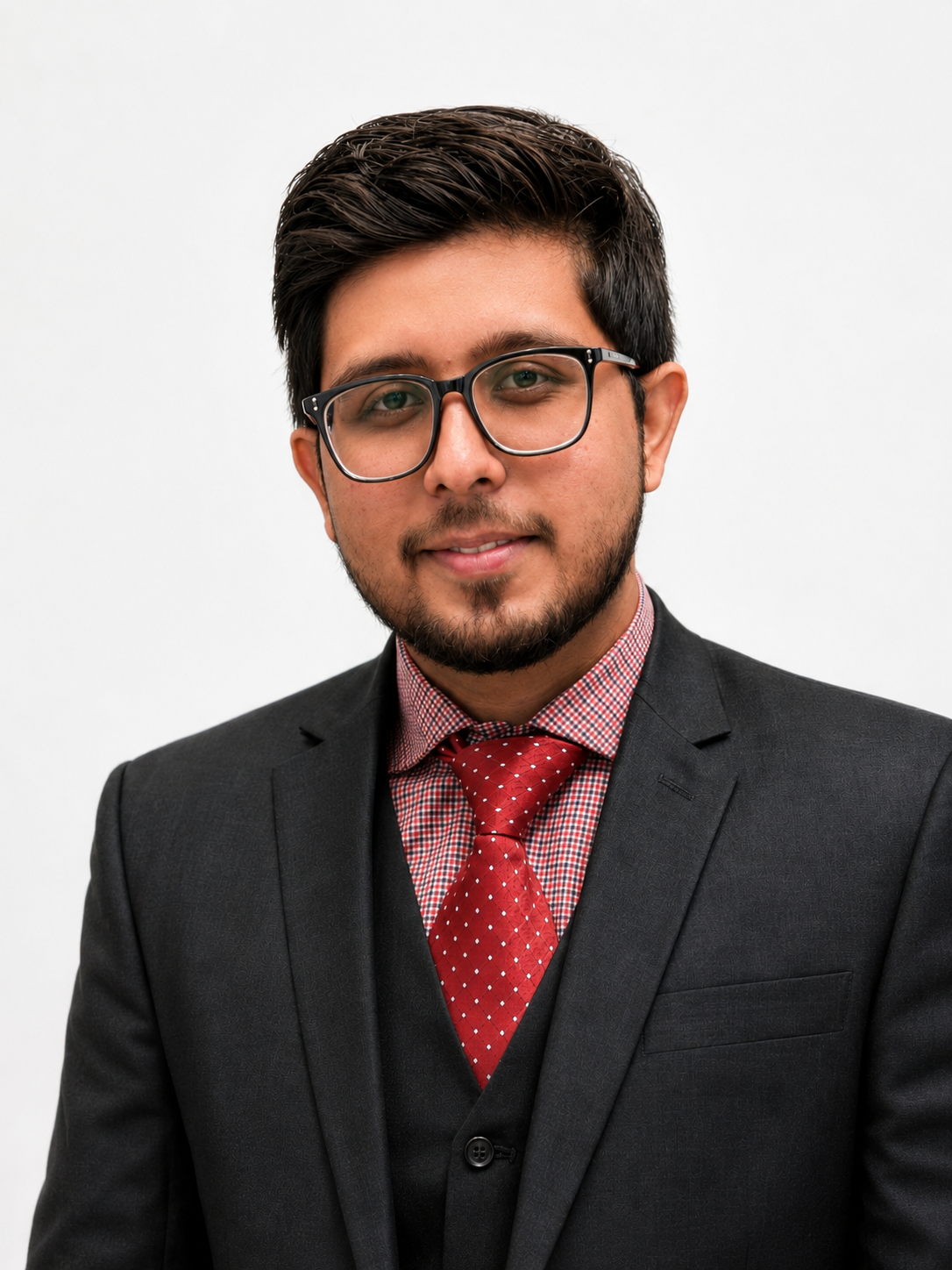
Raiyan Ashraf
Raiyan Ashraf is a graduate student in Computer Science at Kent State University, researching how LLM-powered robots can engage humans empathetically. His work spans human-robot interaction, social robotics, and trustworthy AI, with particular interest in how social context, fairness, and bias shape human perception of and trust in AI-enabled systems. His mixed-methods research combines controlled user studies with computational modeling, examining the patterns that surface across both in human trust and engagement.
Molly Griston
Molly is a PhD candidate in the Physics Department at CU Boulder. She works in Physics Education Research, focusing on the development and application of assessments in quantum computing education. More broadly, she's interested in considerations of validity and interpretability of measurement and assessment systems.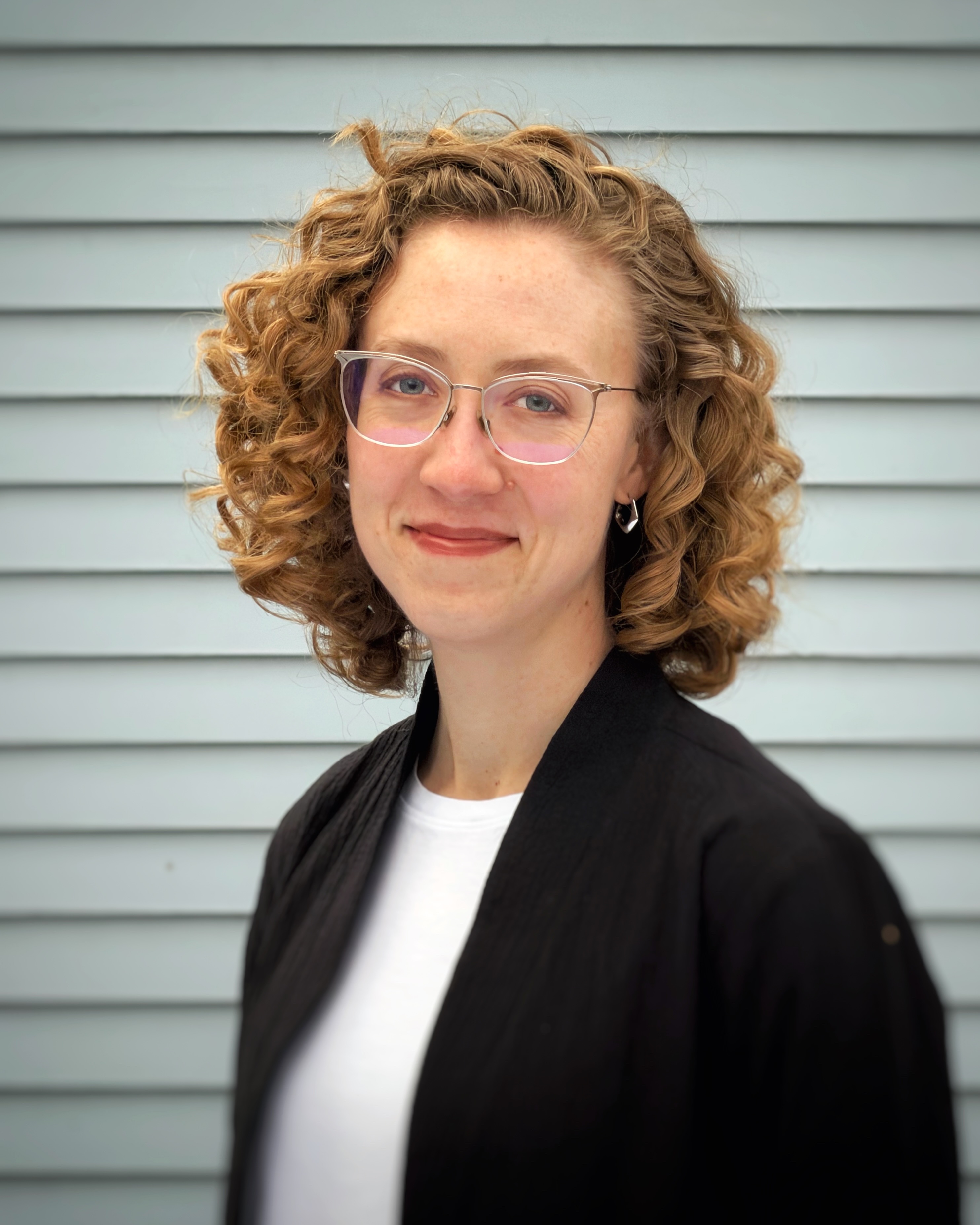
Lauren Yan
Lauren Yan is a postdoctoral fellow at the University of Kansas Medical Center and Children’s Mercy Kansas City. A social psychiatric epidemiologist by training, she studies how social, economic, and political factors affect population well-being. She is especially interested in how global migration policies shape community relationships and population dynamics.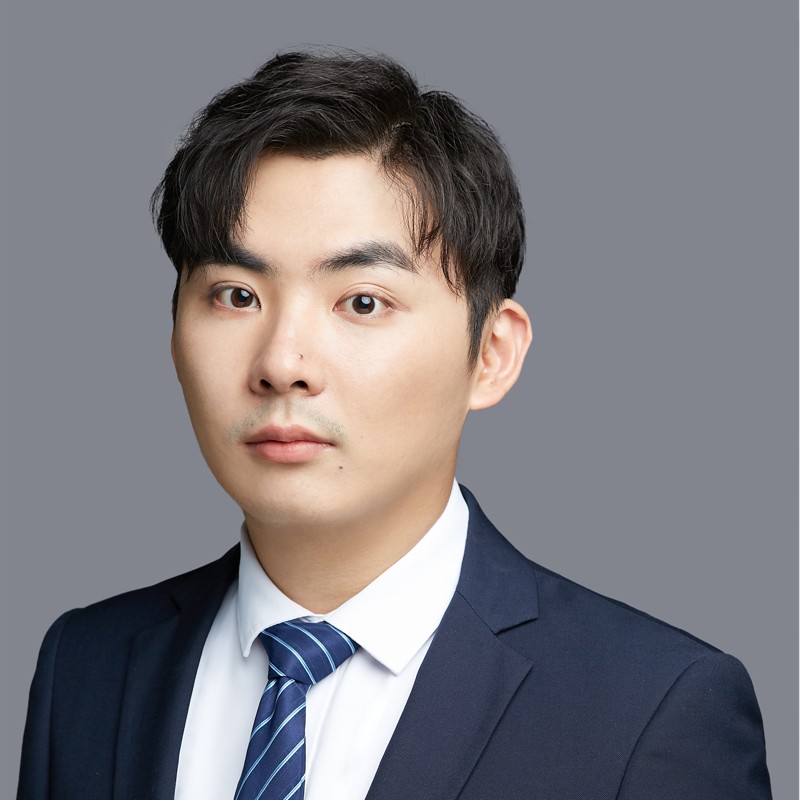
Ruixiang Xu
Ruixiang Xu is a C.V. Starr Lecturer at Peking University School of Transnational Law. He holds a J.D. from the University of Washington and an LL.M. in Taxation from New York University. His research focuses on judicial politics and empirical legal studies. His current work uses text-as-data methods to examine tax law and fiscal institutions, particularly how the design of legal texts shapes a state’s capacity to raise revenue.